Solar tube vs. skylight: which one for an Austin home
Solar tube or skylight for your Austin home? Compare cost, light output, heat gain, and which roofs suit each product before you call anyone.
Everything we've written about austin - straight from the technicians who handle these jobs across the Austin metro. Pricing, troubleshooting, and what actually works in our climate.
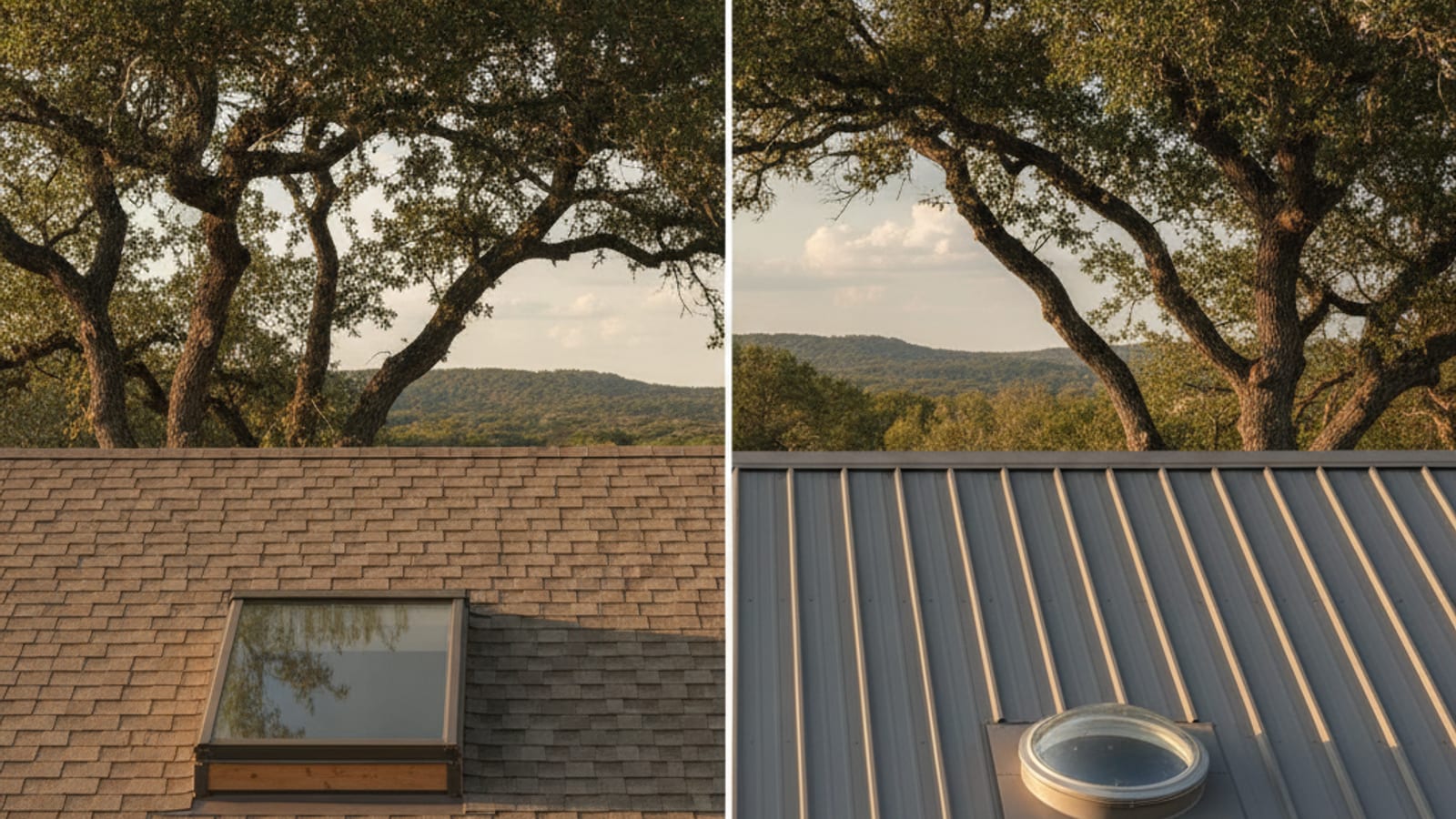
Solar tube or skylight for your Austin home? Compare cost, light output, heat gain, and which roofs suit each product before you call anyone.
What skylight installation actually costs in Austin, by type, roof material, and permit line item, plus what a fair quote should itemize.
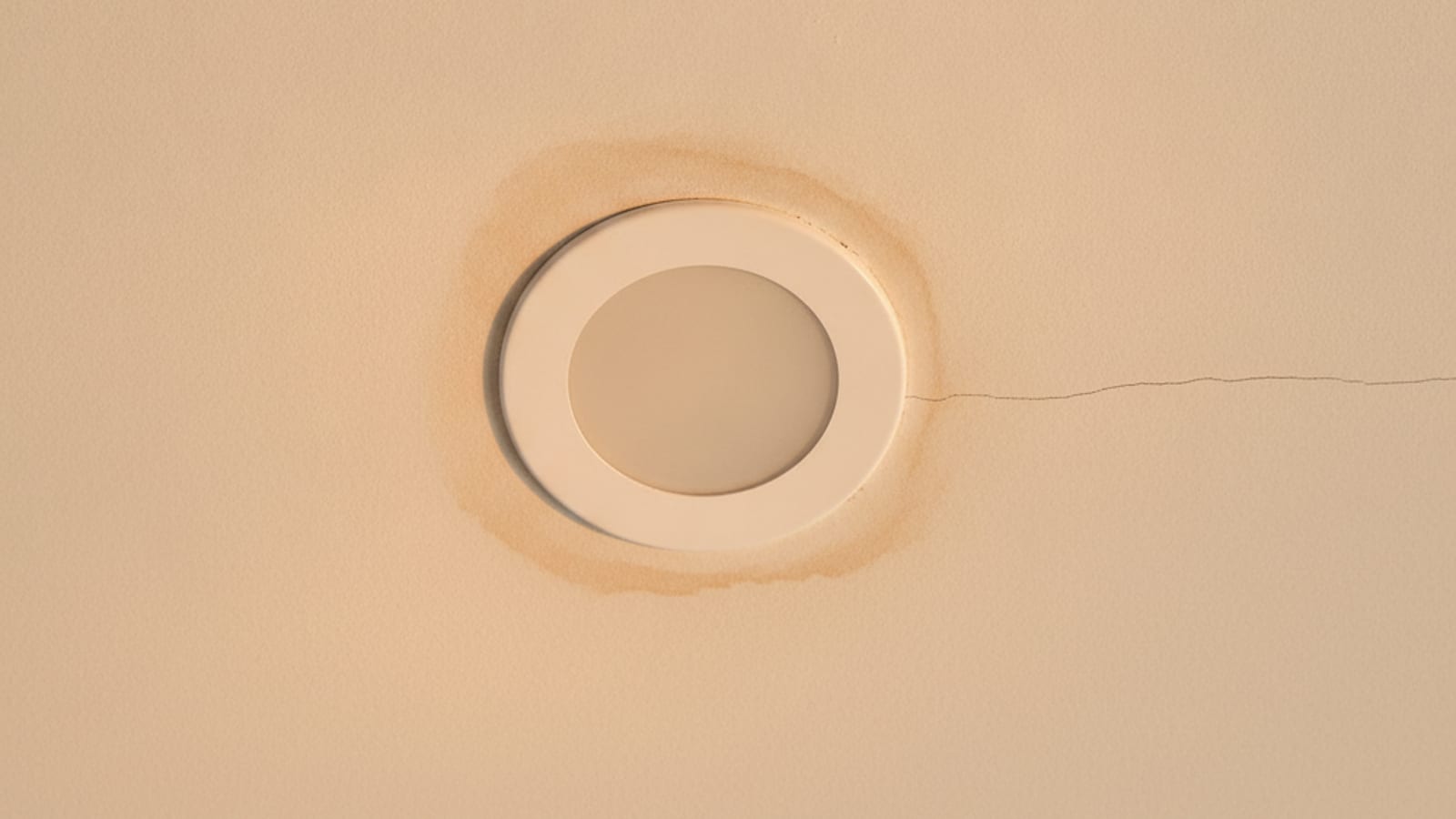
A correctly flashed solar tube shouldn't leak. Here are the real failure points, why Austin hail matters most, and how to tell a leak from condensation.
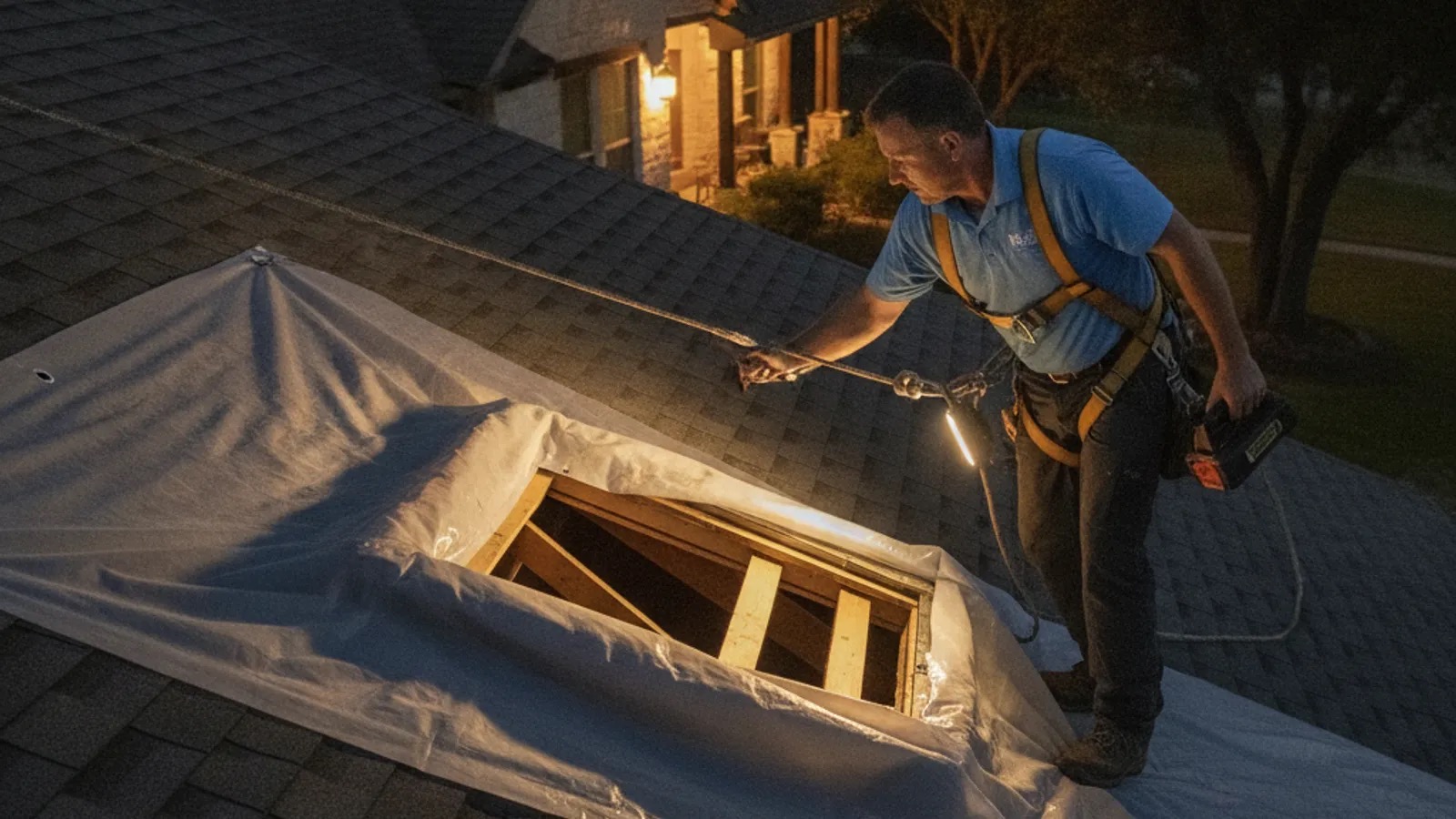
Hail damage to a skylight is usually part of the same claim as your roof. Here's how to document it, what adjusters look for, and Austin's storm record.

What a solar attic fan can and cannot do for an Austin attic, honestly, plus how it compares to ridge vents and whole house fans.
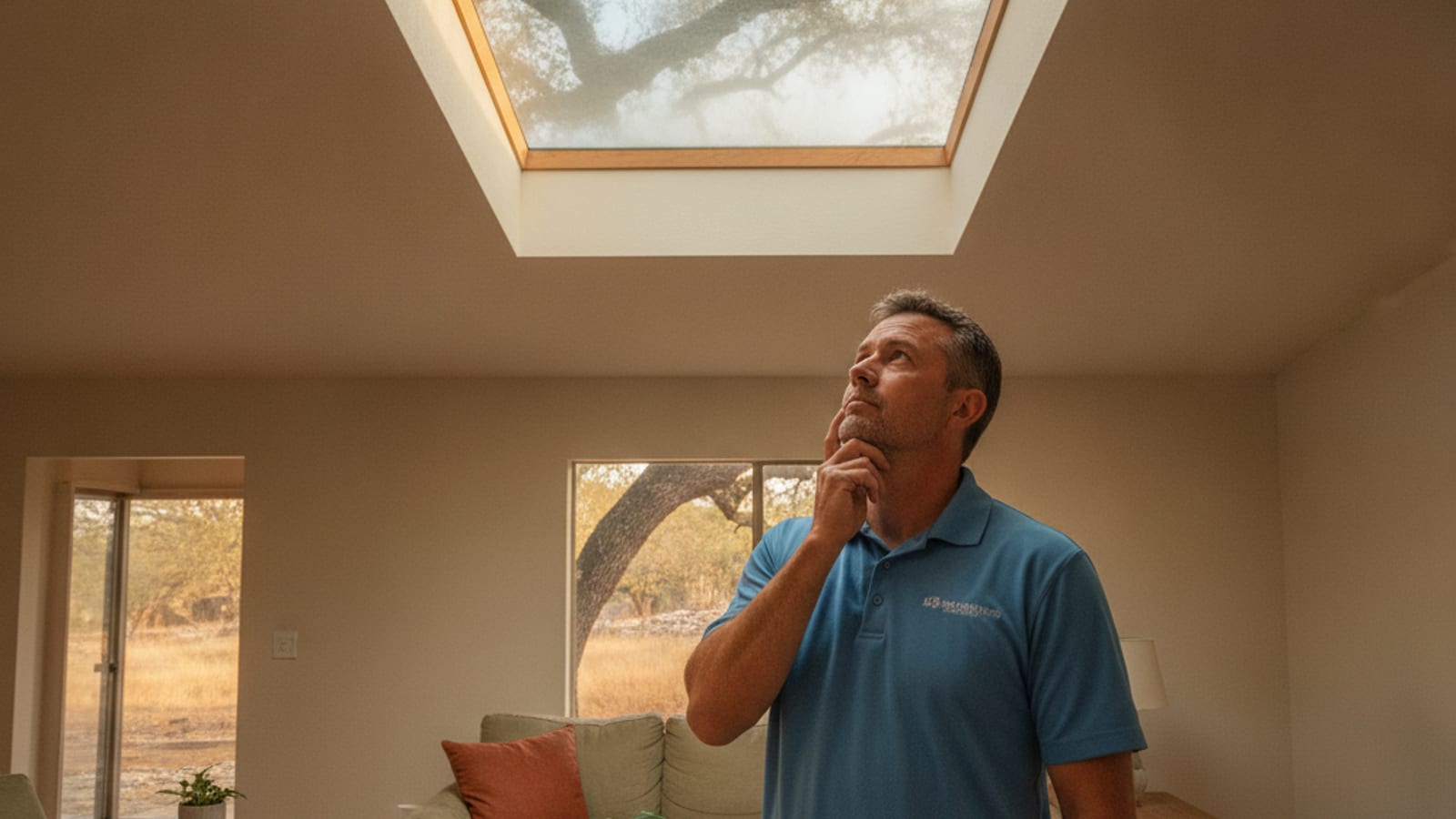
Moisture around your skylight with no recent rain is usually condensation, not a leak. Here's the five-minute check and when to actually worry.
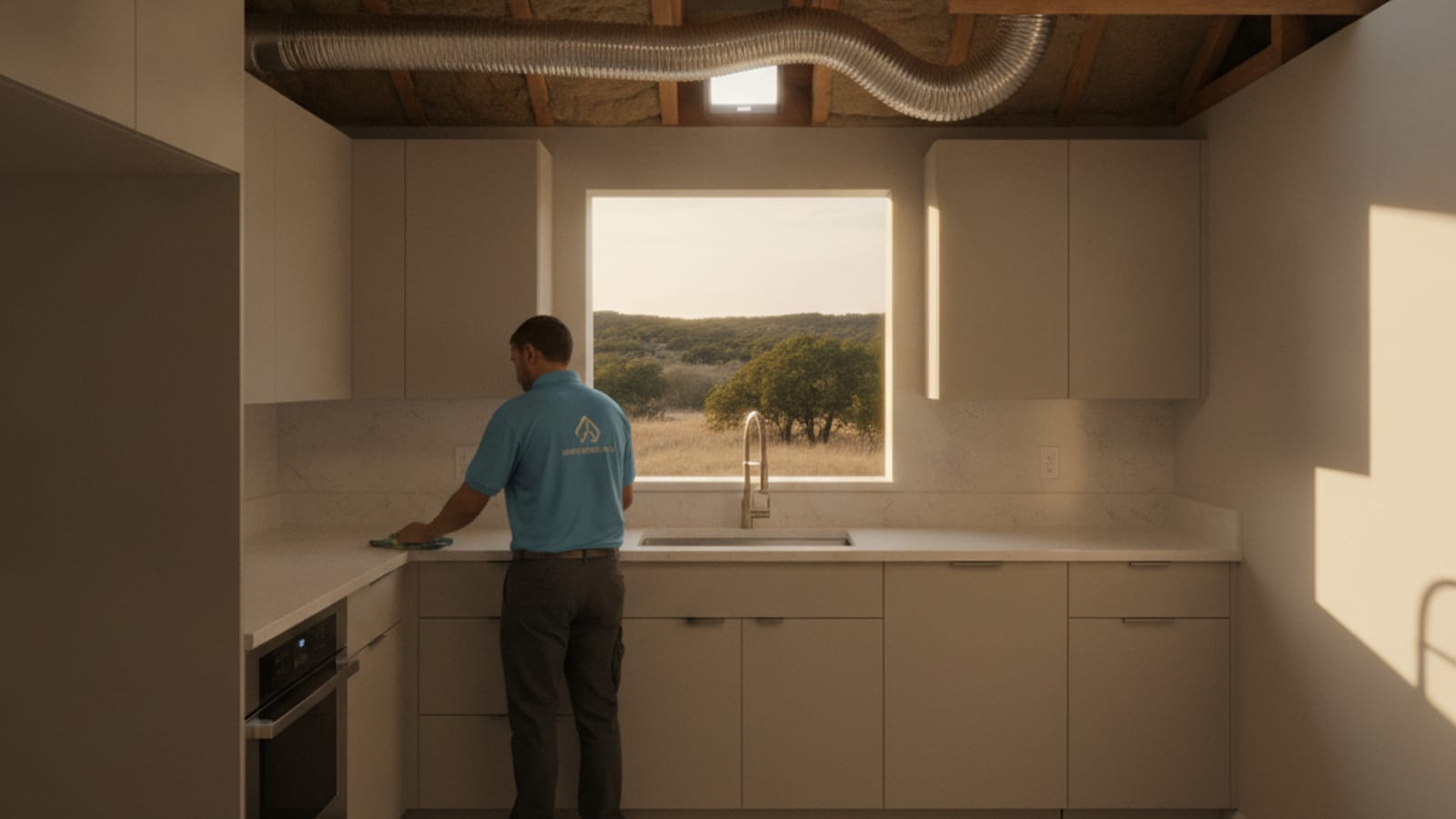
Paint and under-cabinet lighting only add lumens, not daylight. Here's how Austin homeowners brighten a windowless kitchen or hallway without an electrician.
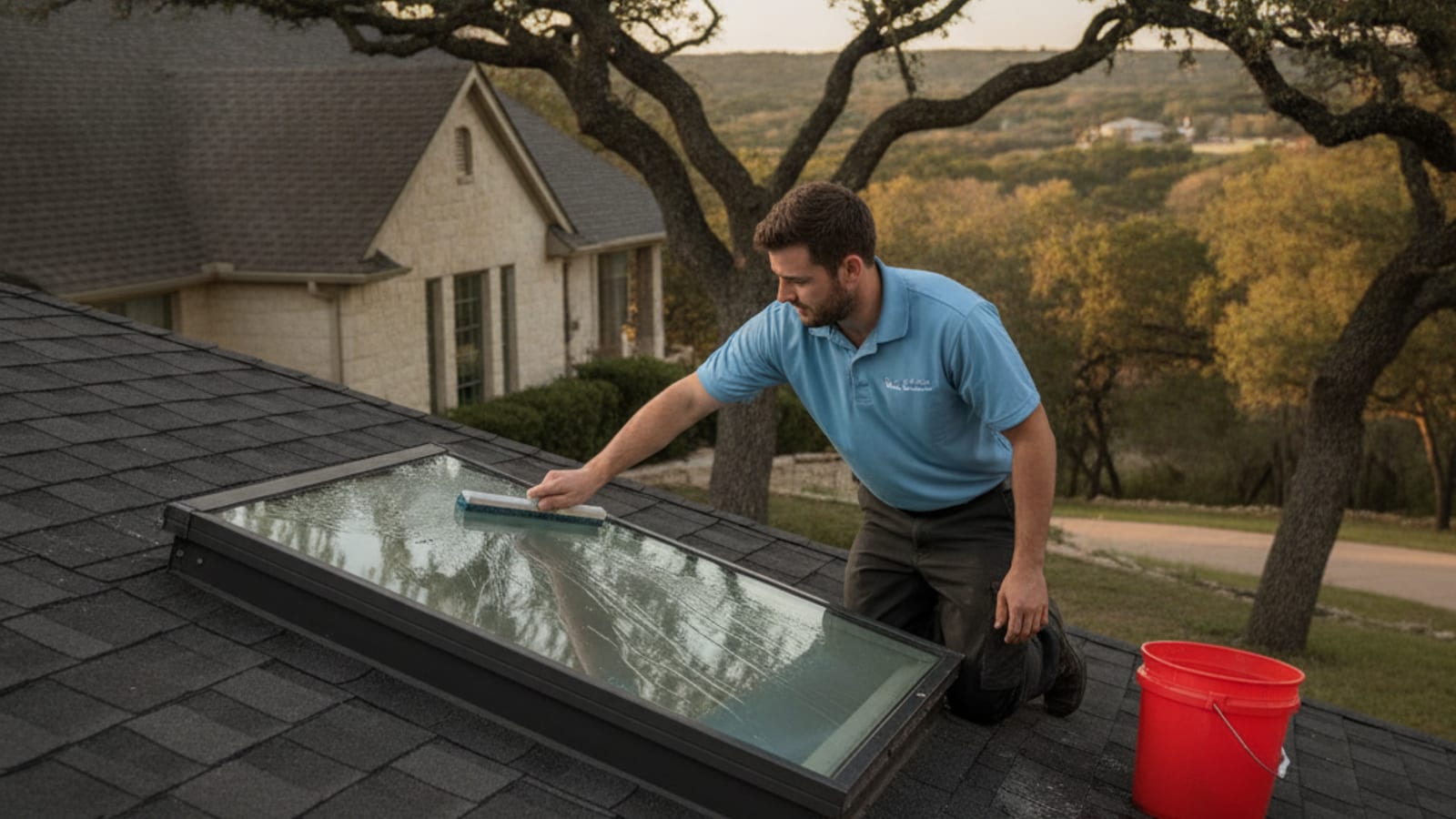
Almost any Austin roof can take a skylight or solar tube. What actually decides the method is pitch, material, framing, and ceiling type. Here's the breakdown.

Yes, skylight work needs a building permit inside Austin city limits. Here's what code applies, and how permitting works differently just outside the city.
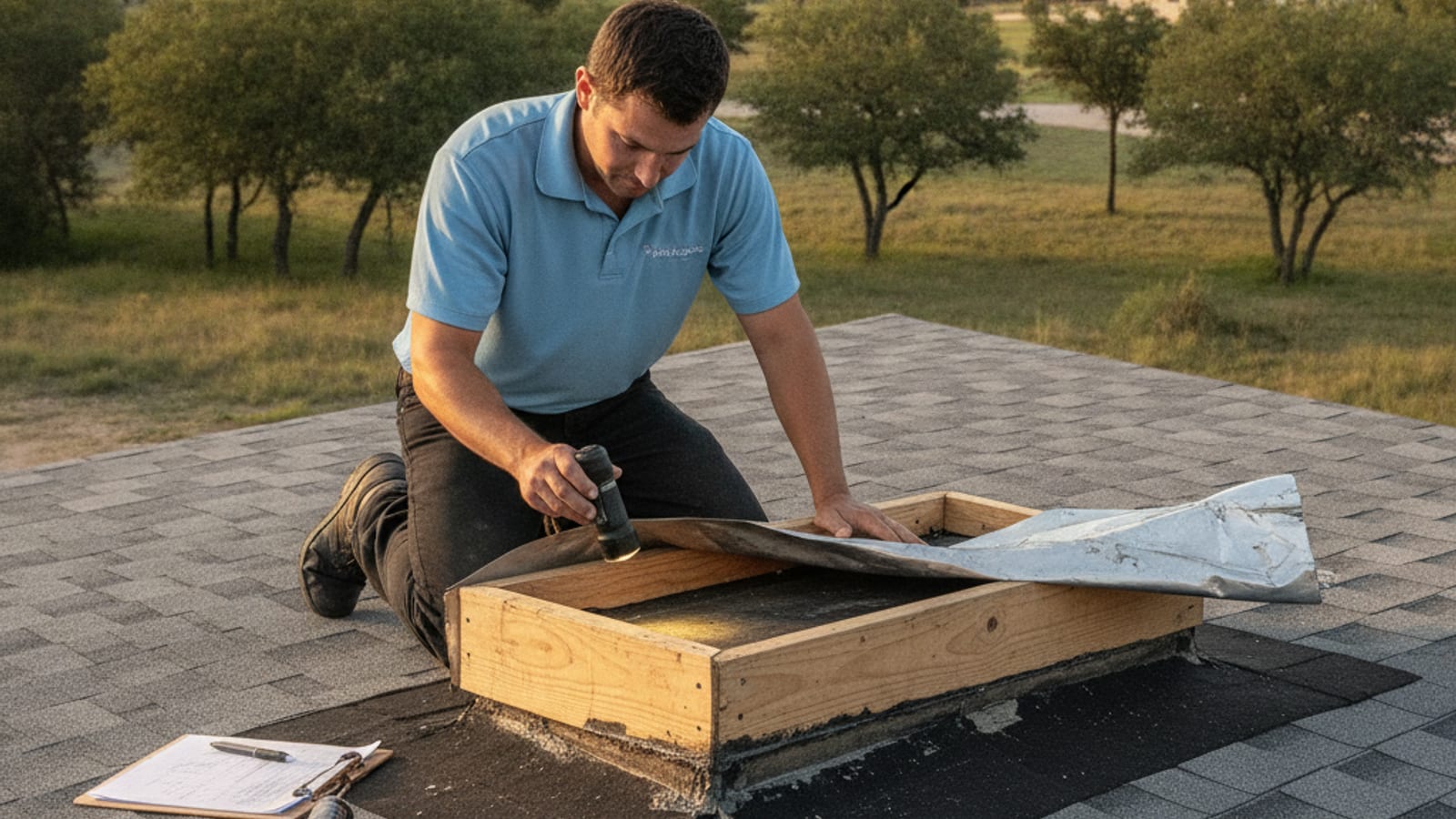
A re-roof is the cheapest moment to add or replace a skylight, since the flashing labor is already paid for. Here's how to sequence it and what to ask.

Skylights and solar tubes install on standing-seam metal roofs, just with a different flashing system. Here's what changes and why it matters in Austin.
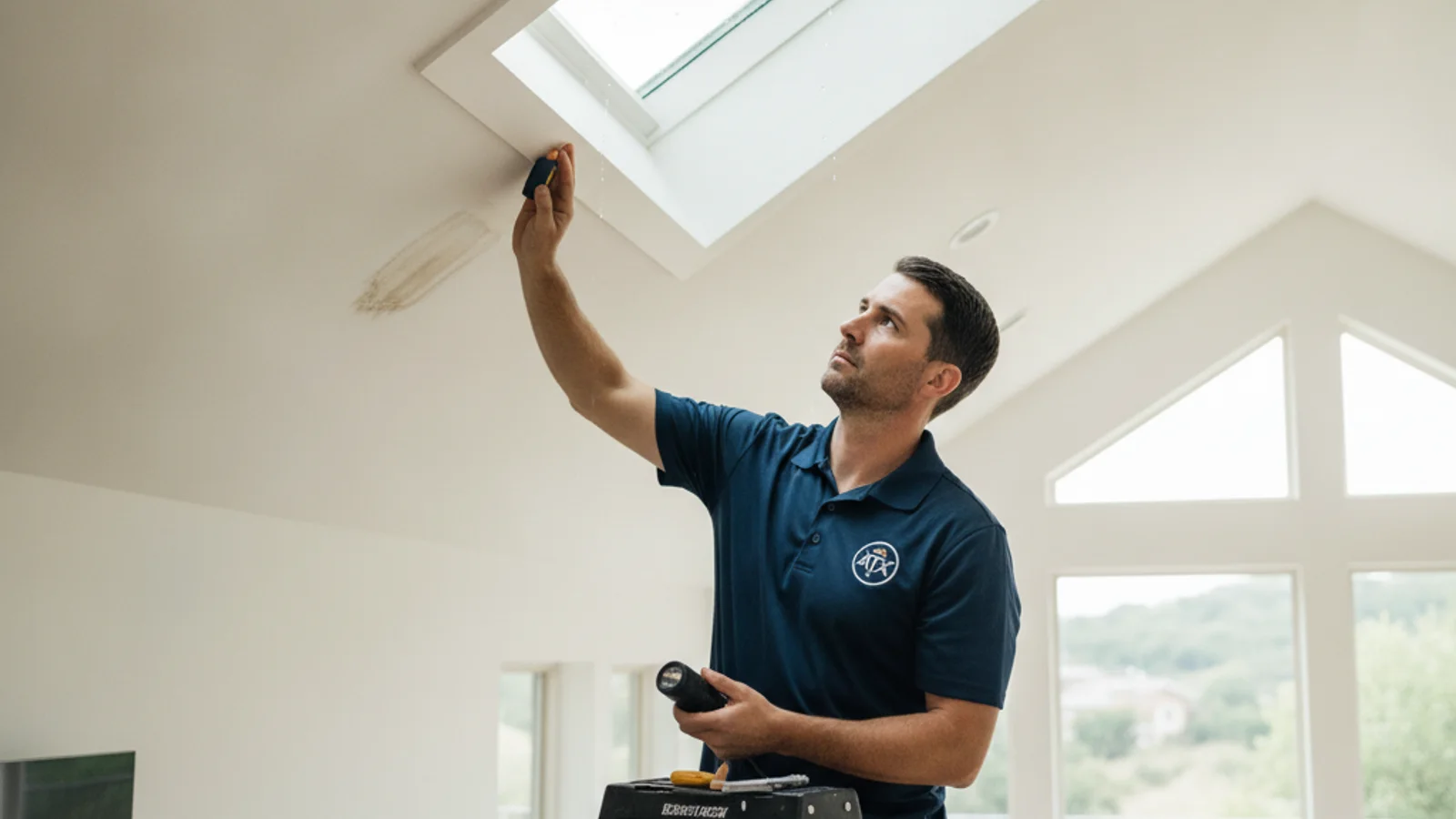
Water showing up near your skylight after rain doesn't always mean the skylight is the problem. Here's the drip-location test Austin homeowners can run first.
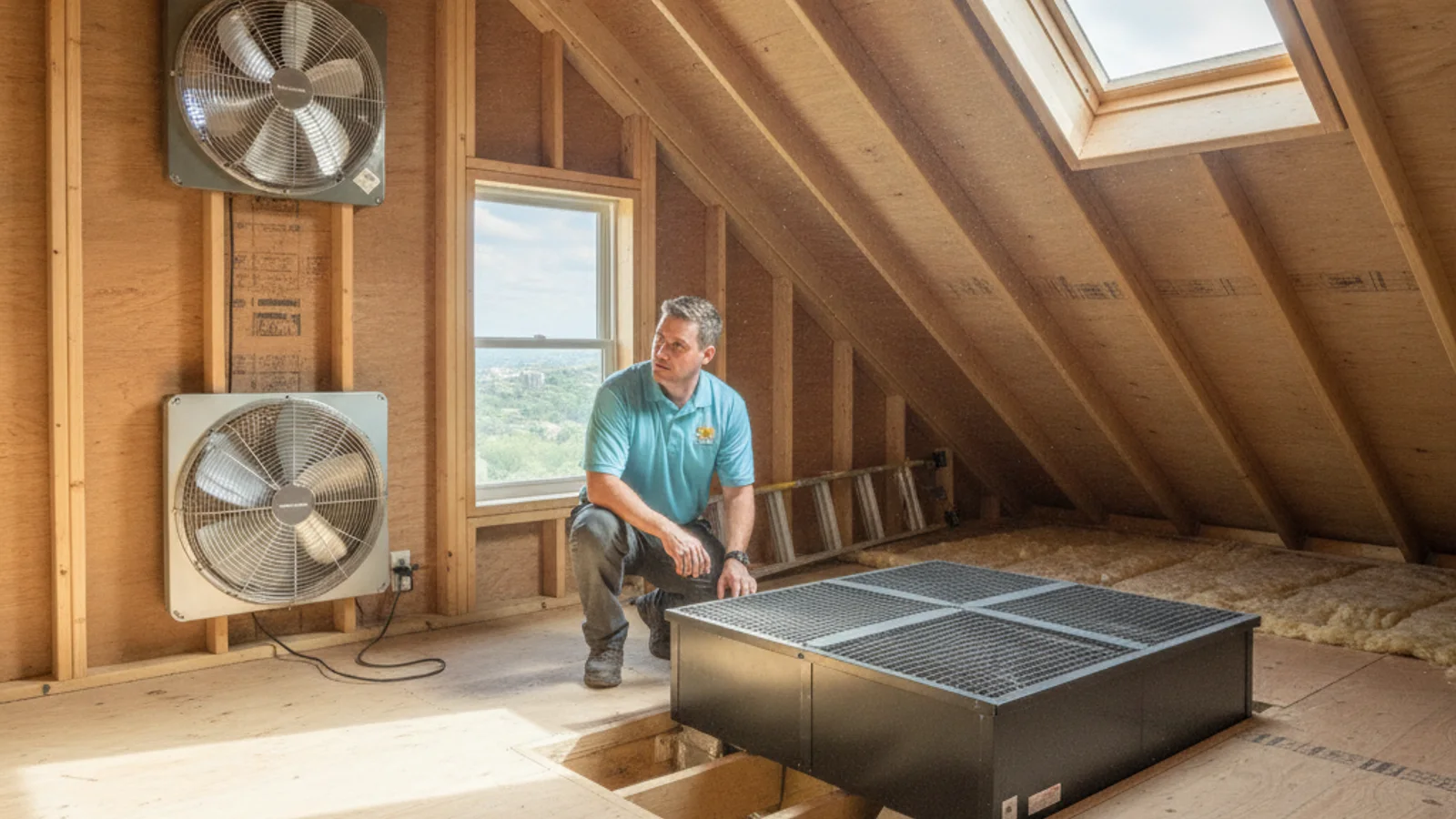
An attic fan cools the attic only. A whole house fan cools the whole home at night. Here's how each works and when Austin homes benefit from having both.
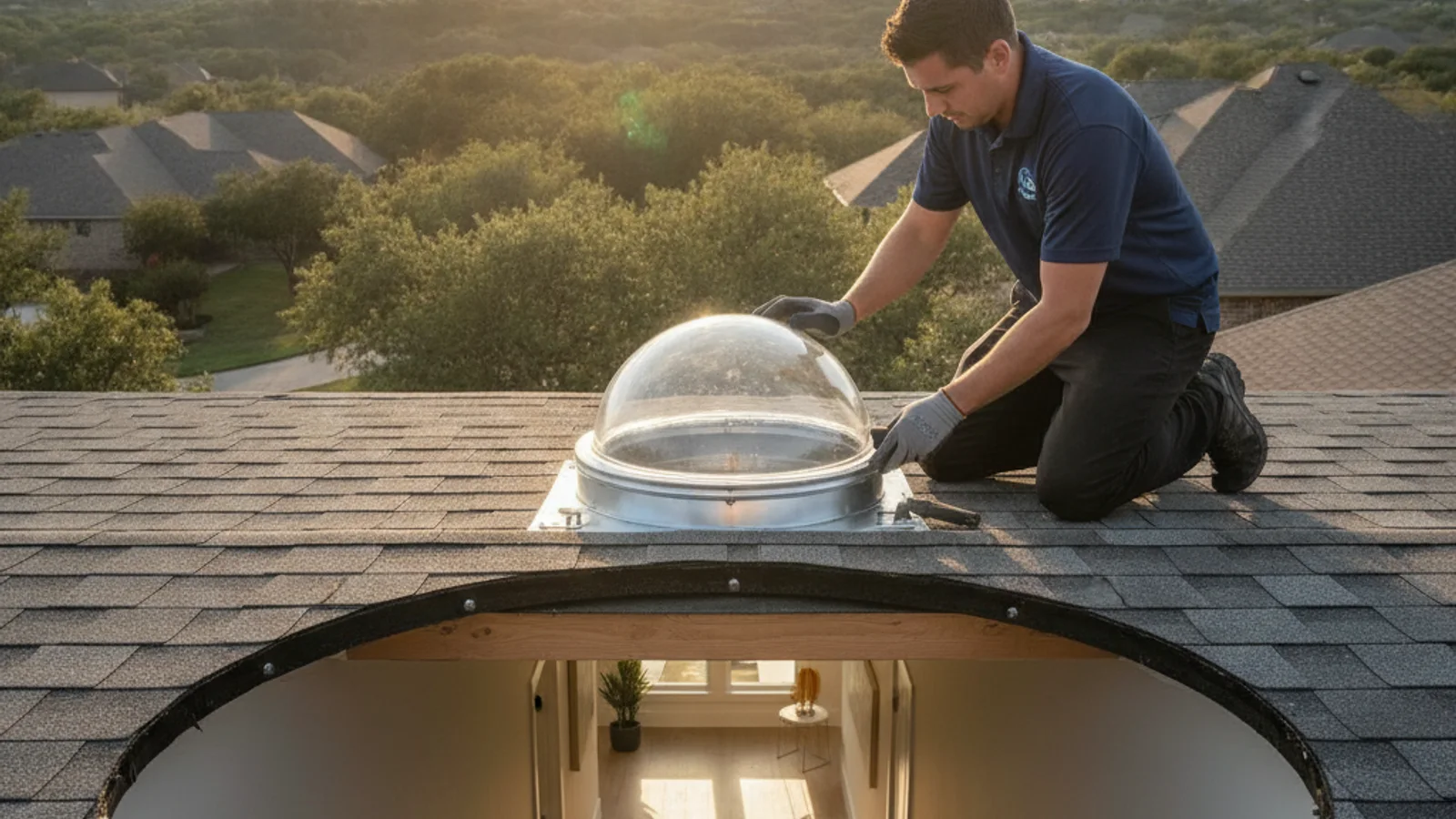
A sun tunnel is a small roof-mounted dome connected by a reflective tube to a ceiling diffuser. Here's how it works and where it fits best in an Austin home.

A solar tube installation typically costs less than a full skylight, since there's no framing cut and no drywall rebuild. Here's what actually moves the price.

Commercial daylighting places tube skylights or larger fixed units across a ceiling grid to cut daytime electric lighting load. Here's where it pays off in Austin.
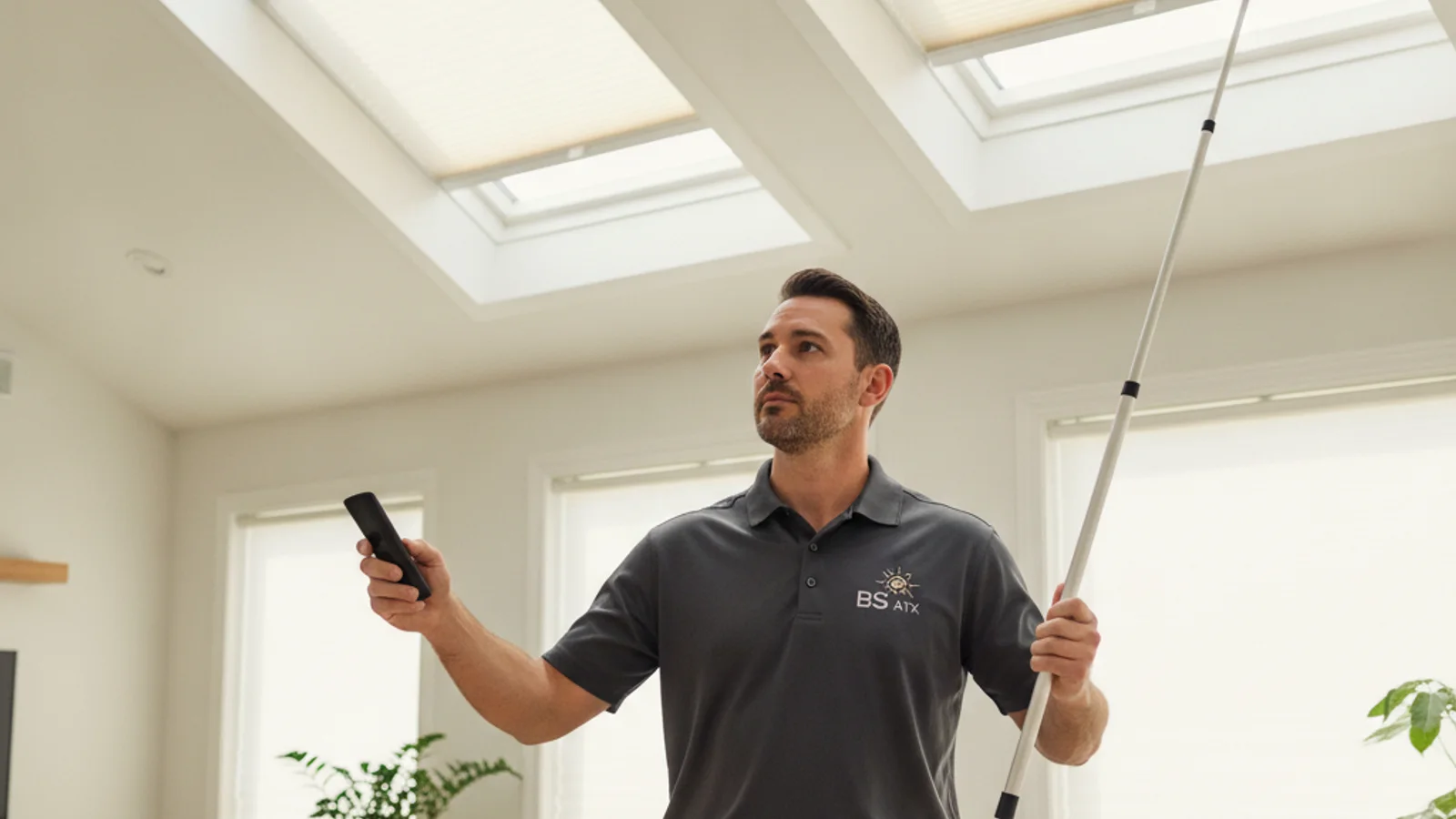
Skylight blinds and shades both block glare and heat. The real difference is manual vs. motorized control, not the fabric. Here's how to choose for an Austin home.
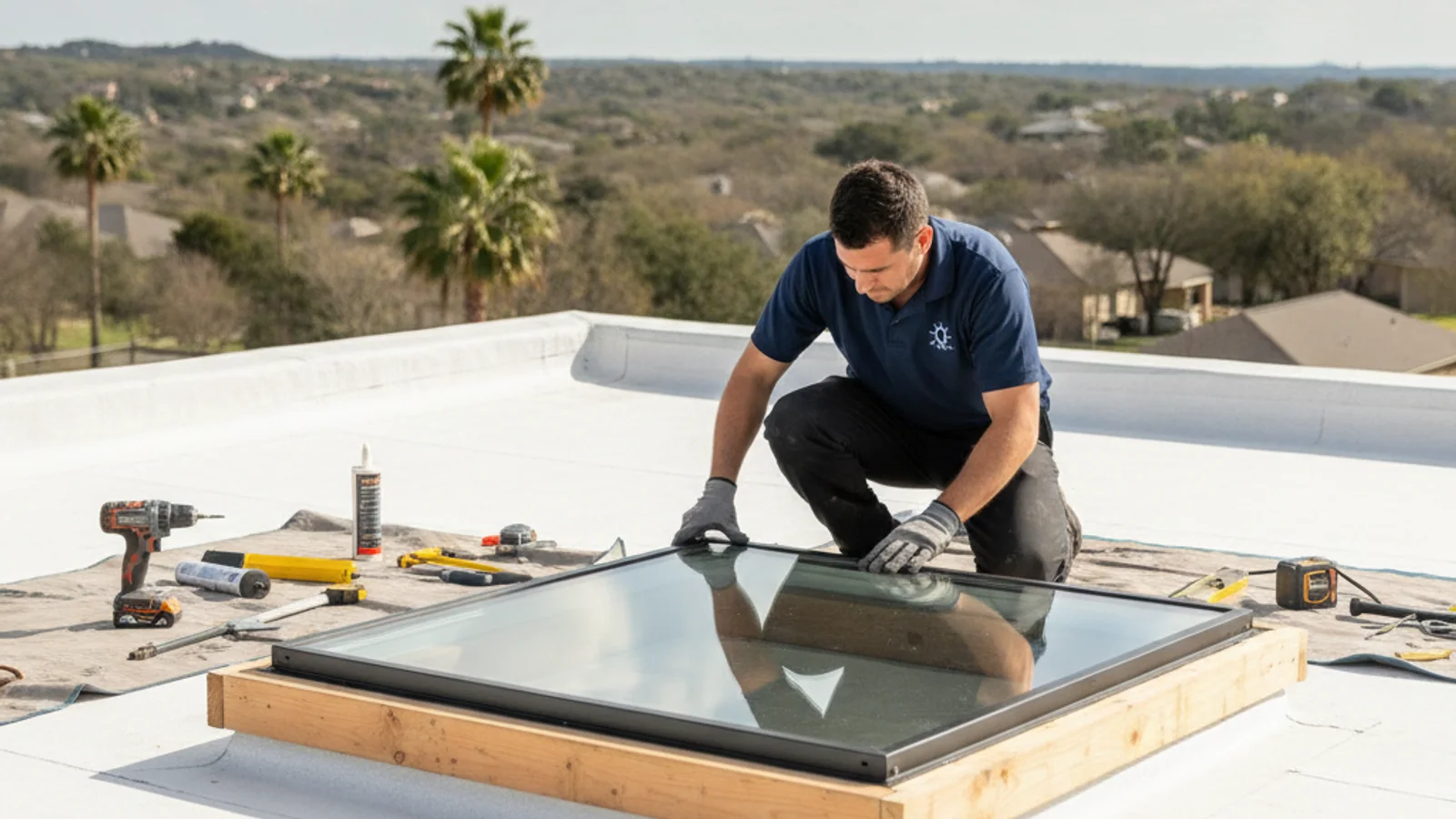
Flat and low-slope roofs need a curb-mounted skylight with a raised frame and dedicated drainage, not the flush-mount method used on a pitched shingle roof.
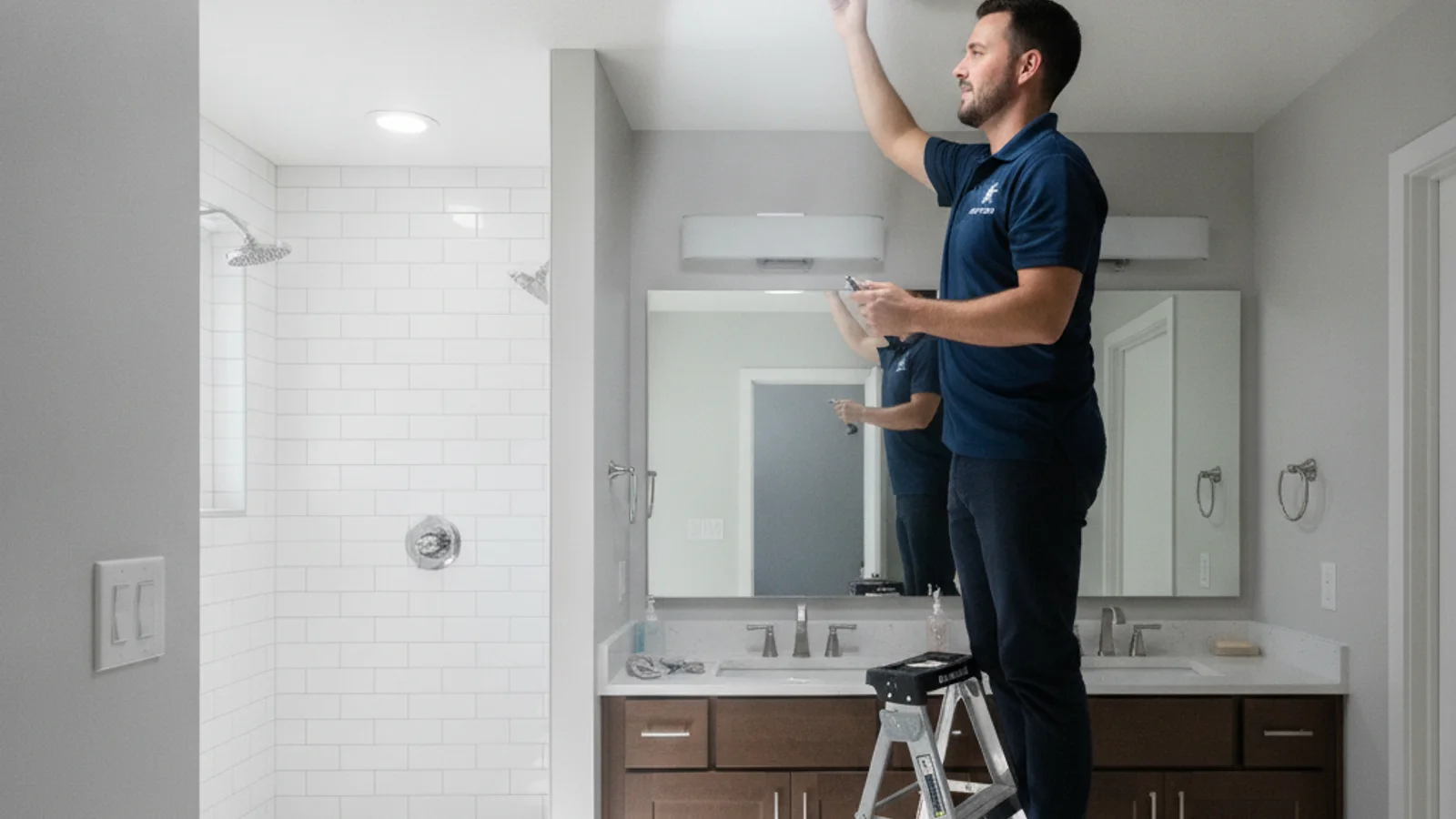
An interior bathroom with no exterior wall is the best use case for a solar tube. Here's why it works, what humidity means for it, and where ventilation still matters.

If the frame and flashing are sound and only the glazing has failed, glass-only replacement is usually the cheaper, faster fix. Here's how to tell which one you need.
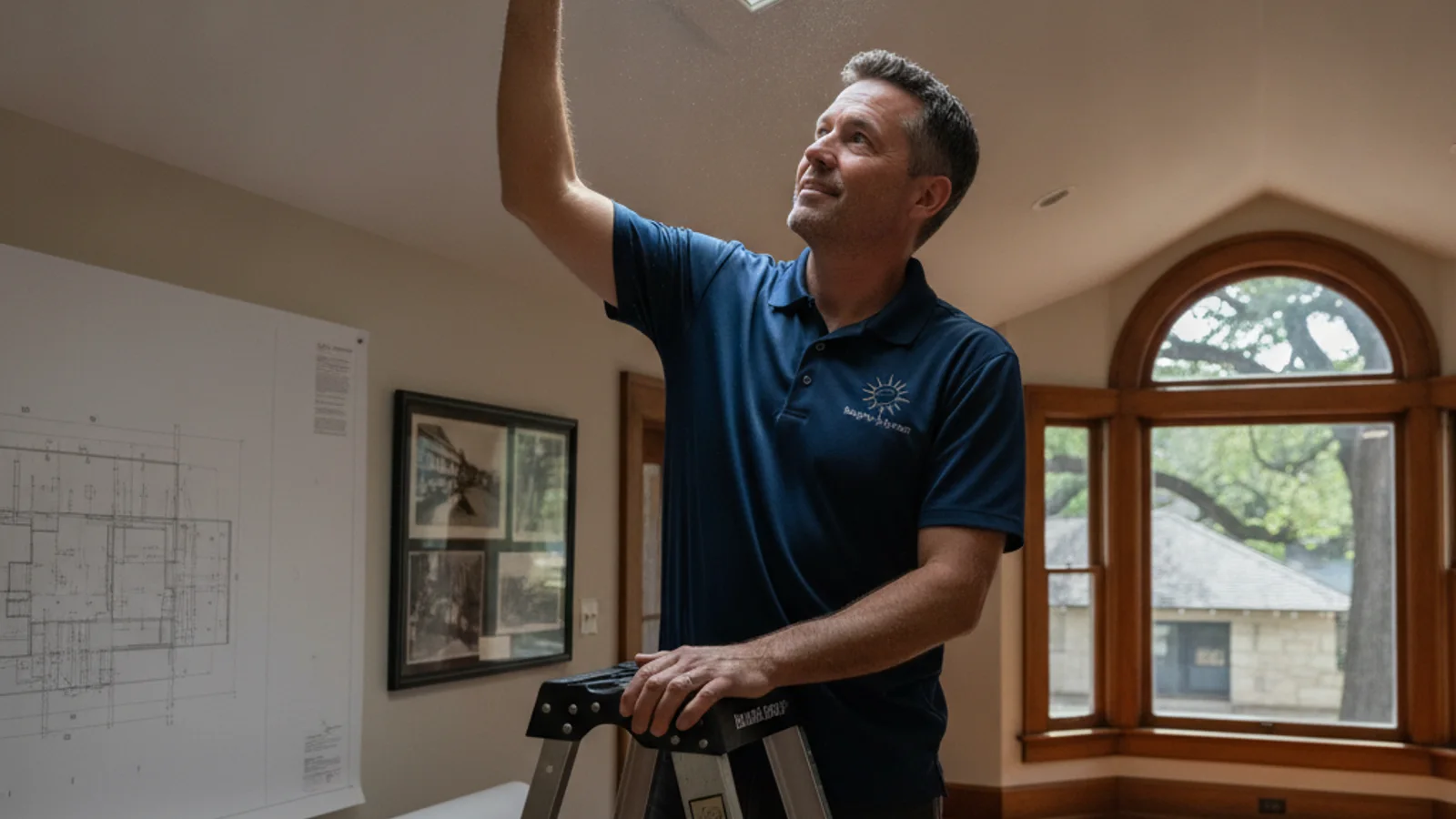
A skylight or solar tube in a National Register or local historic district generally needs a Certificate of Appropriateness on top of the standard building permit.

A skylight gives more total light and a sky view. A sun tunnel gives strong, even light with no view. Here's how the difference plays out room by room in Austin.
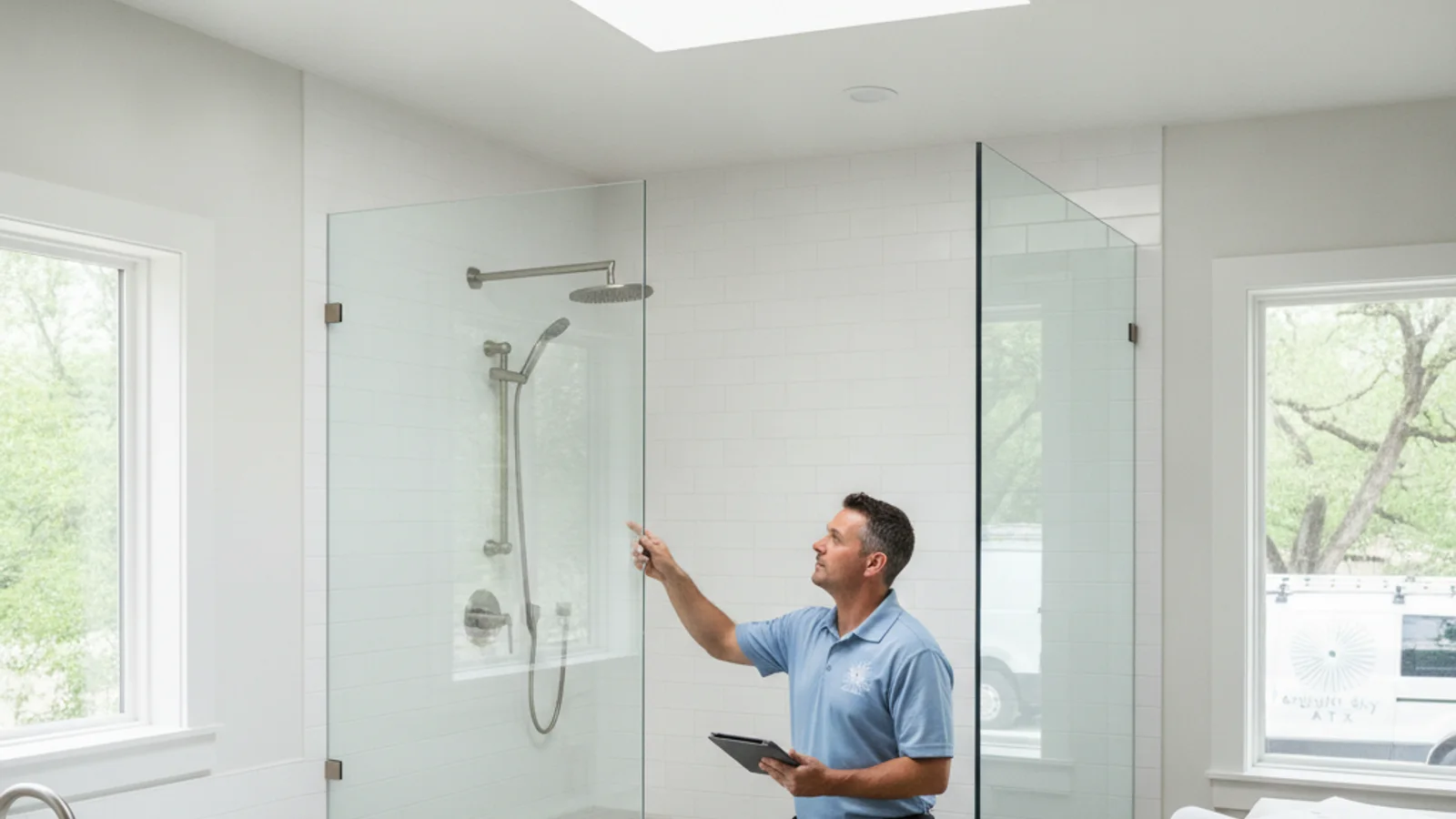
A skylight can go over a shower, but ventilation and glazing choice matter more than most homeowners expect. Here's what to plan for before the project starts.
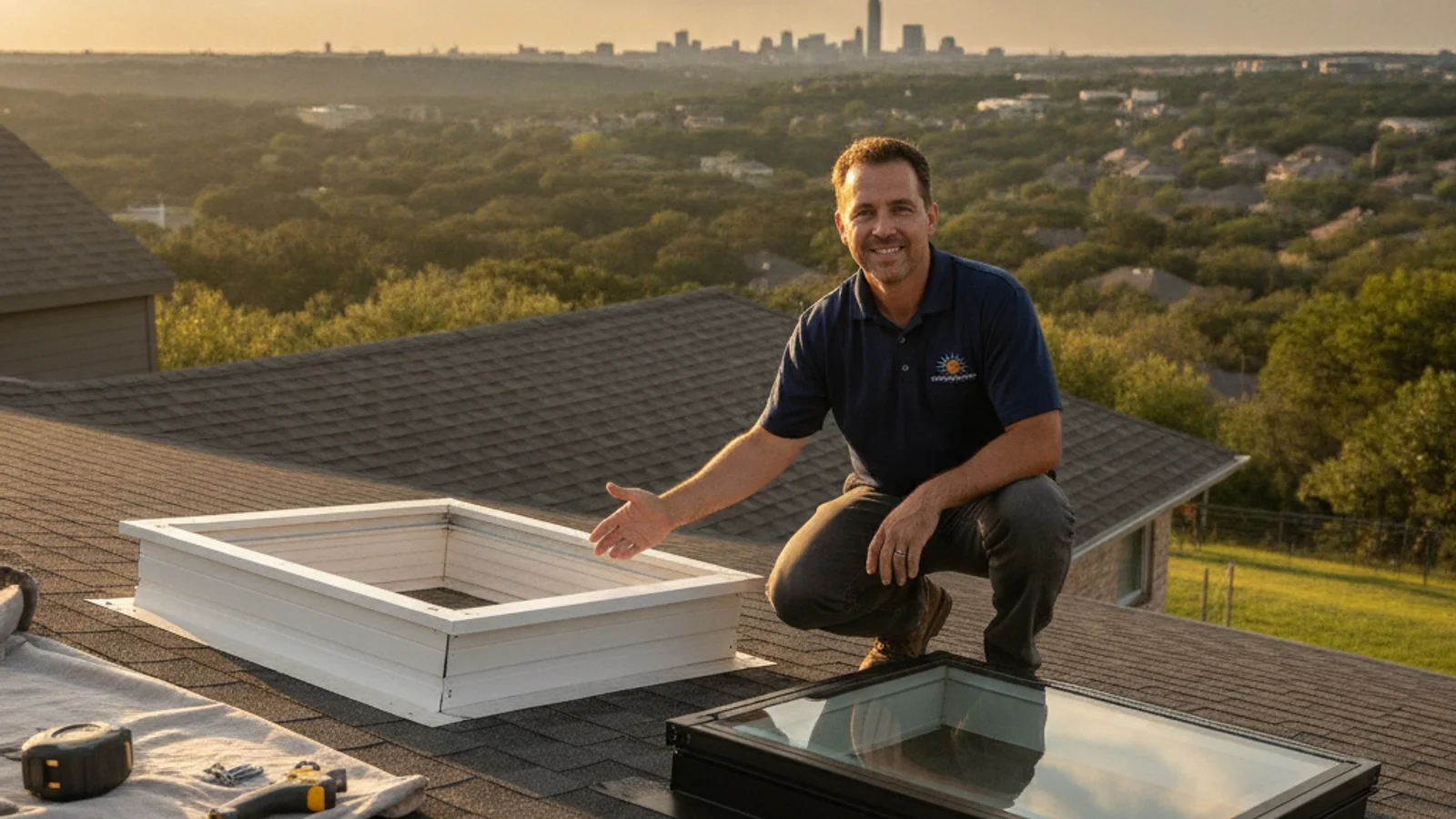
Deck mount sits flush against a pitched roof. Curb mount sits on a raised frame and is required on flat roofs. Here's how to know which one your roof needs.

A sun tunnel only carries daylight and goes dark once the sun sets. Here's how the electric light kit add-on works and whether it's worth including.
Daylight is widely linked to better mood and alertness in general wellness guidance. Here's what that means for a windowless room, and what it doesn't claim to fix.
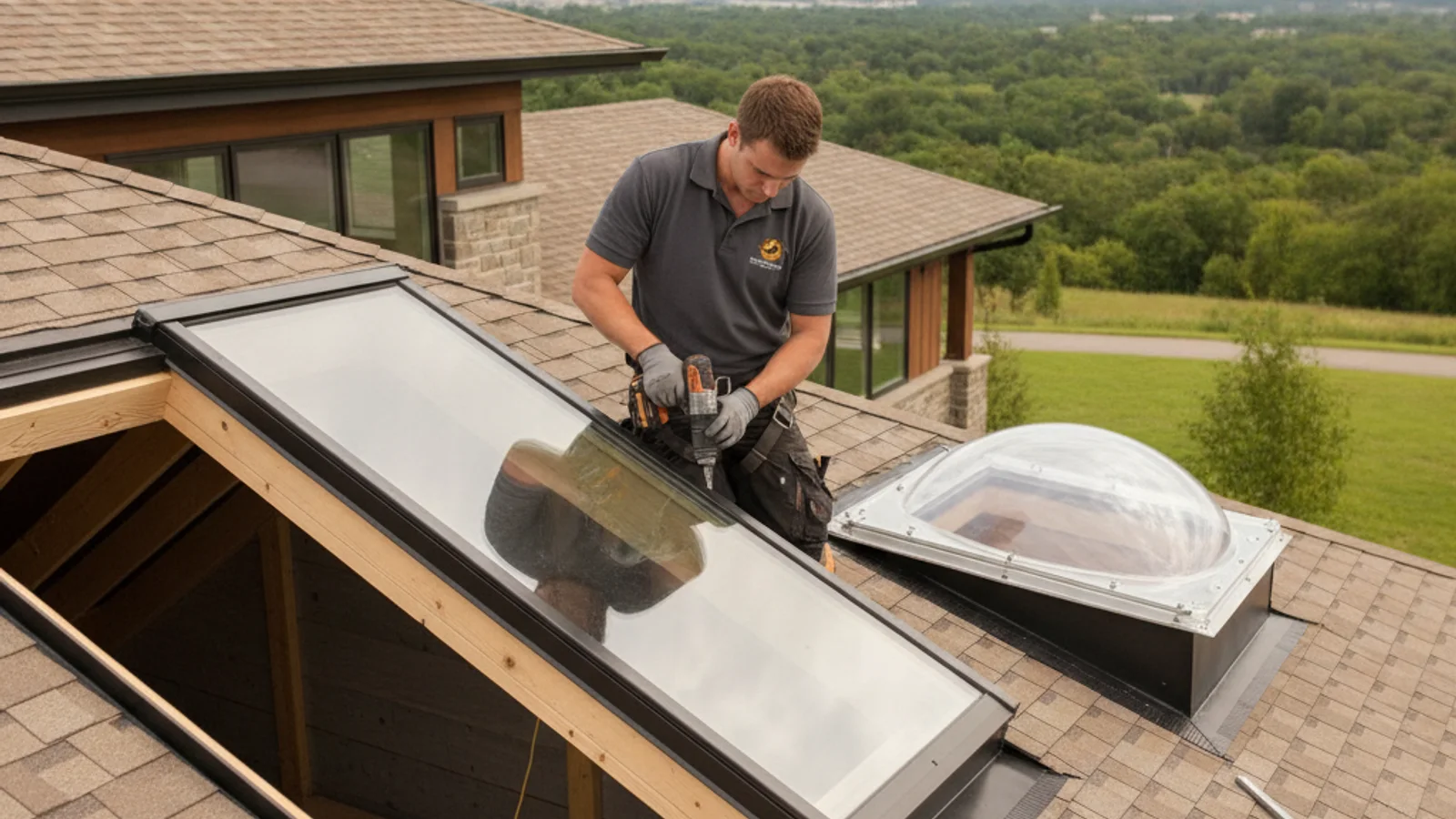
A roof window opens and functions like a walk-up window on a low-slope roof. A fixed skylight is built for daylight. Here's how the two differ and where each fits.
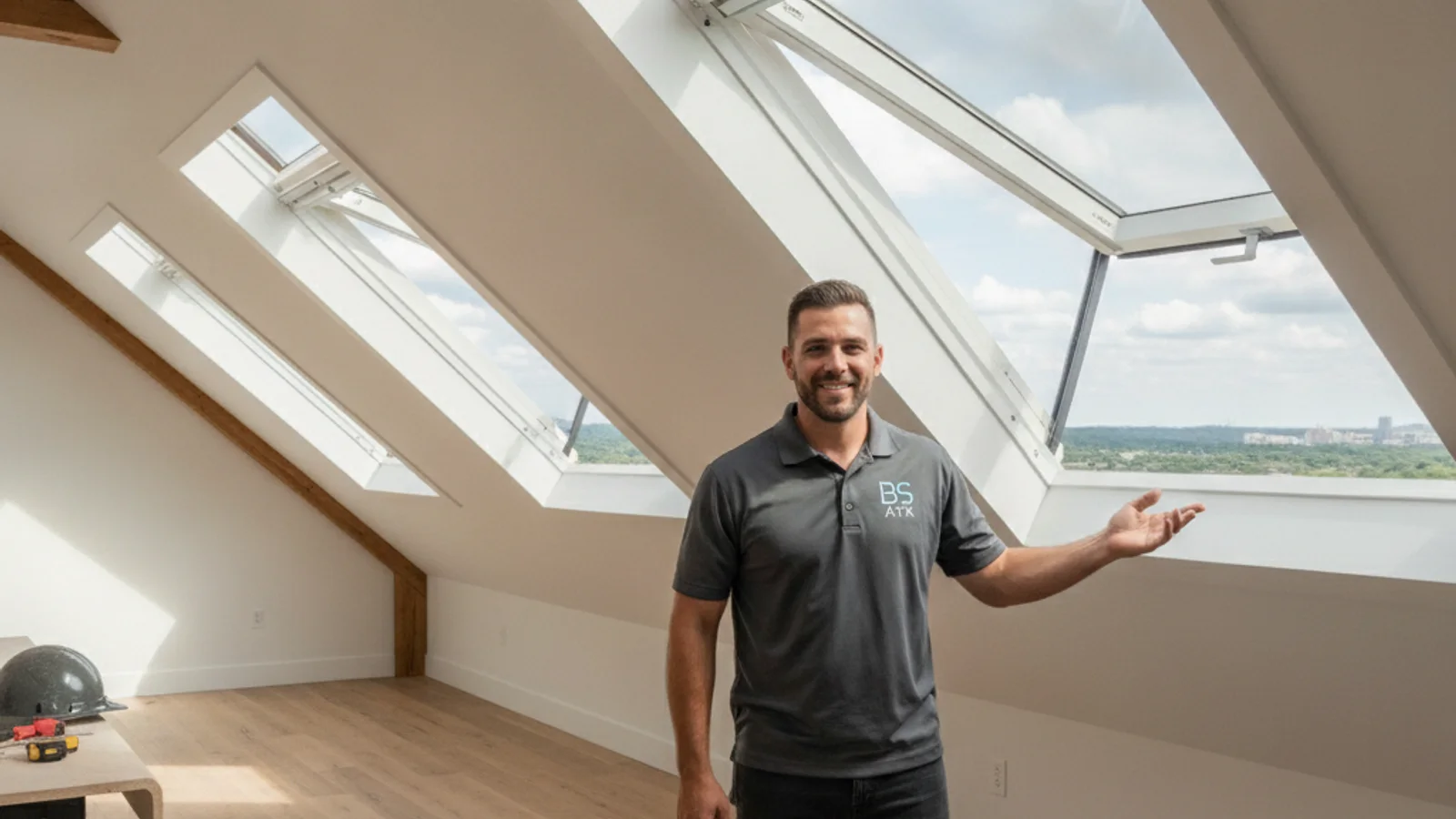
Converting an attic into a bedroom usually triggers a code-required emergency escape opening. Here's when a roof window can satisfy that requirement in Austin.
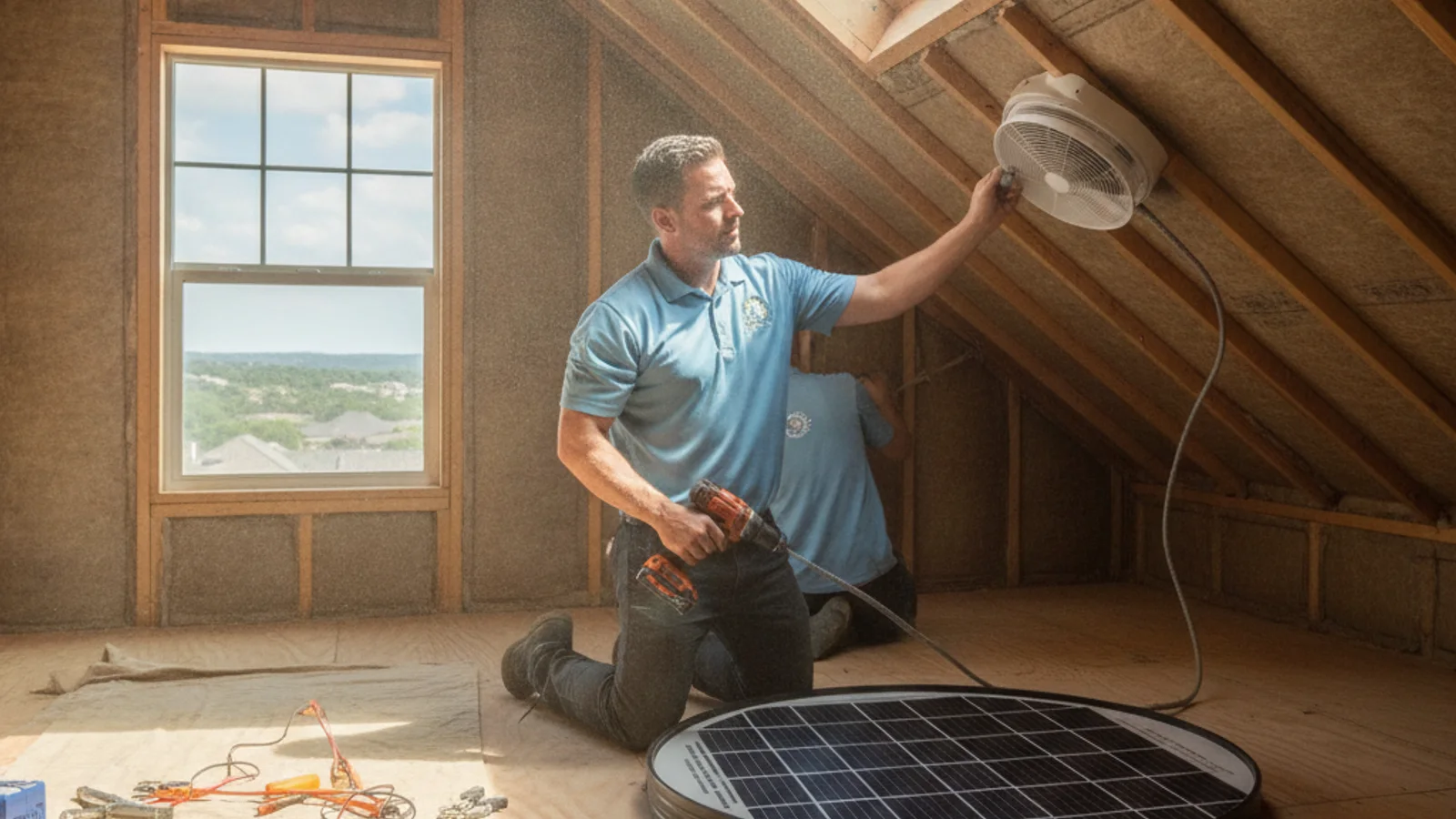
Solar attic fans cost more upfront but skip the electrician wiring cost. Here's how solar and hardwired attic fan installation compare on total price in Austin.
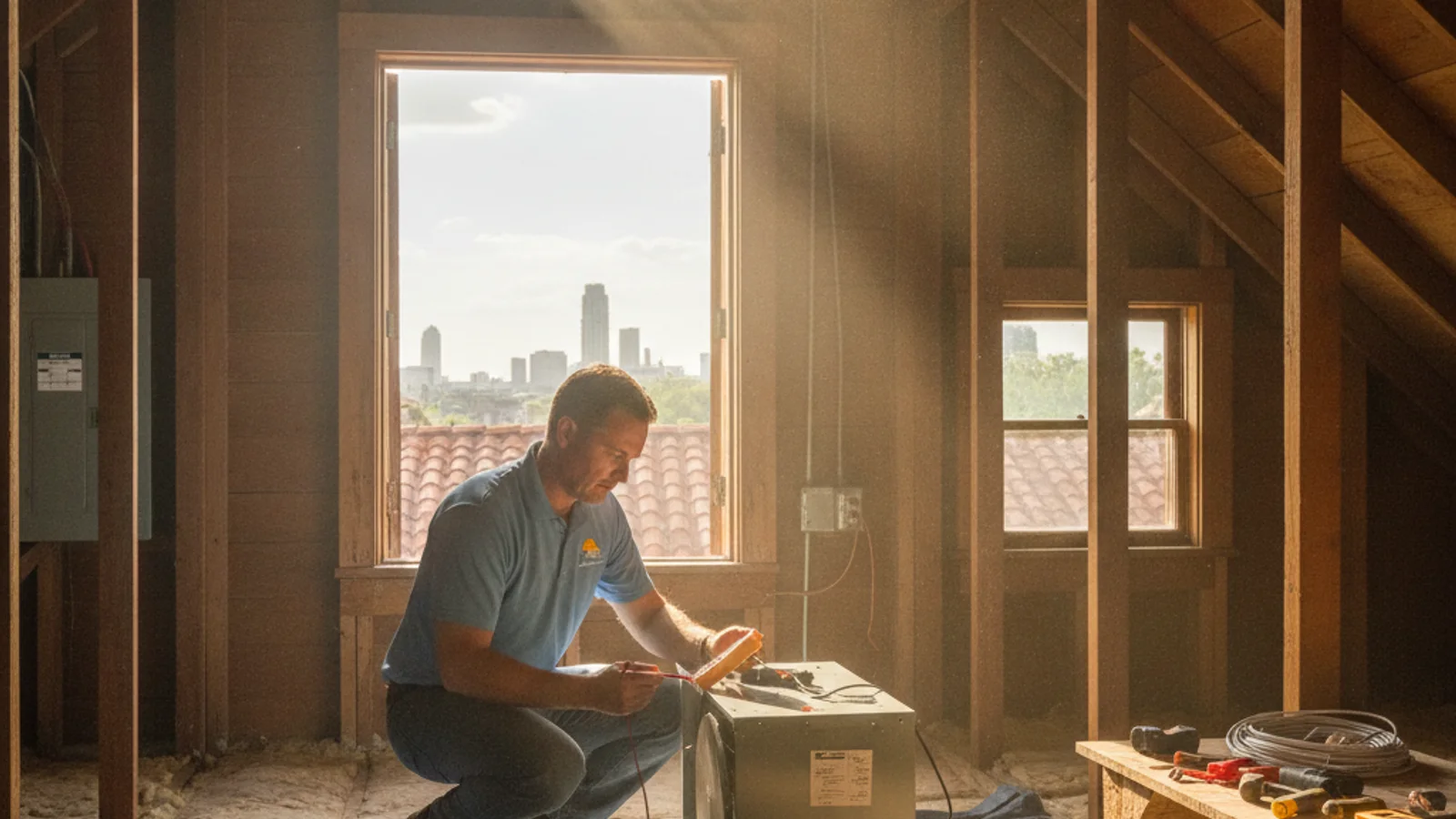
Most older Austin homes can be fitted for a whole house fan, but wiring, attic clearance, and ceiling structure need a real assessment first. Here's what to check.
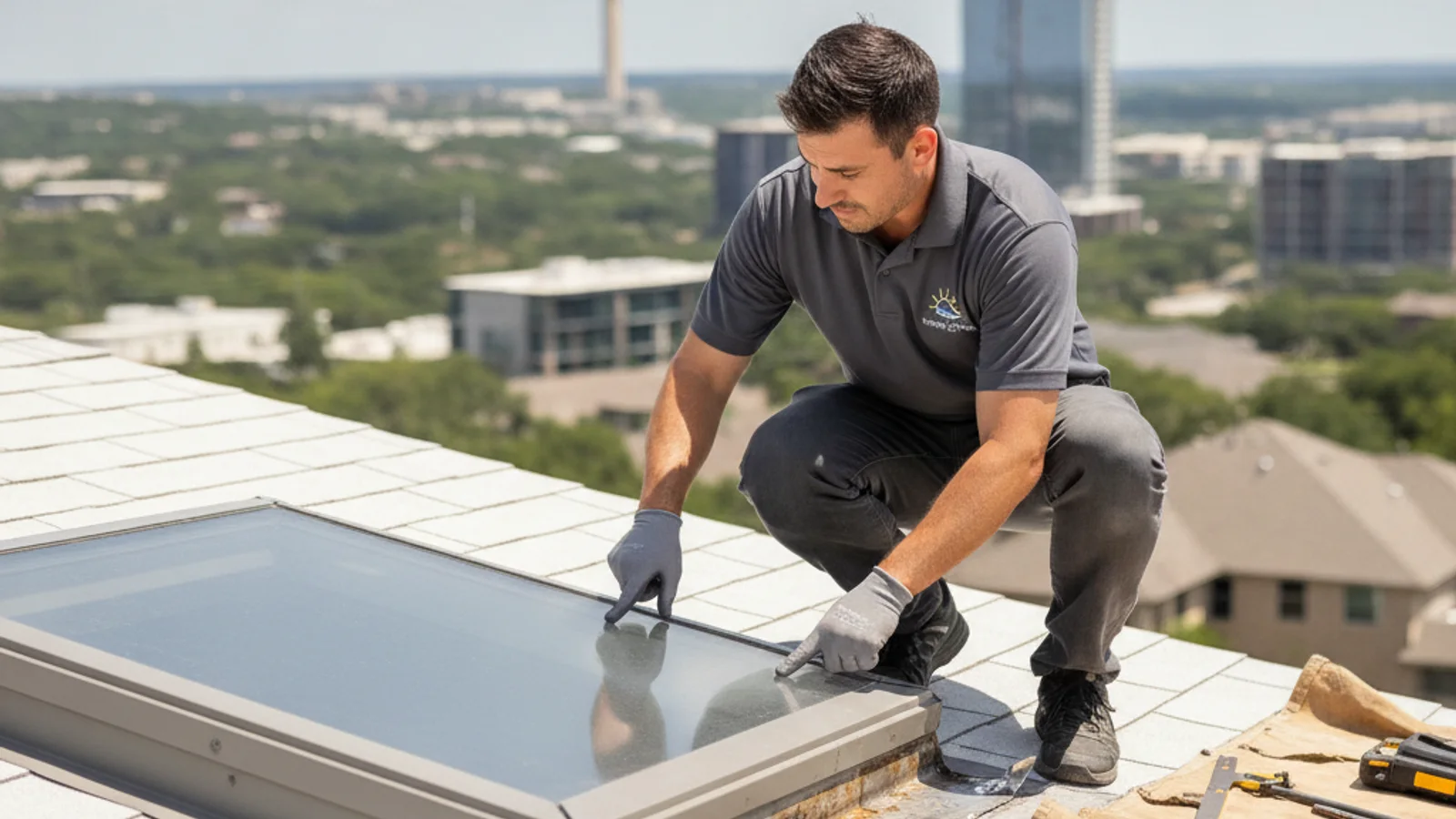
Flashing, not the glass or the seal, is the single most common source of a leaking skylight. Here's what flashing does, why it fails, and how a repair works.
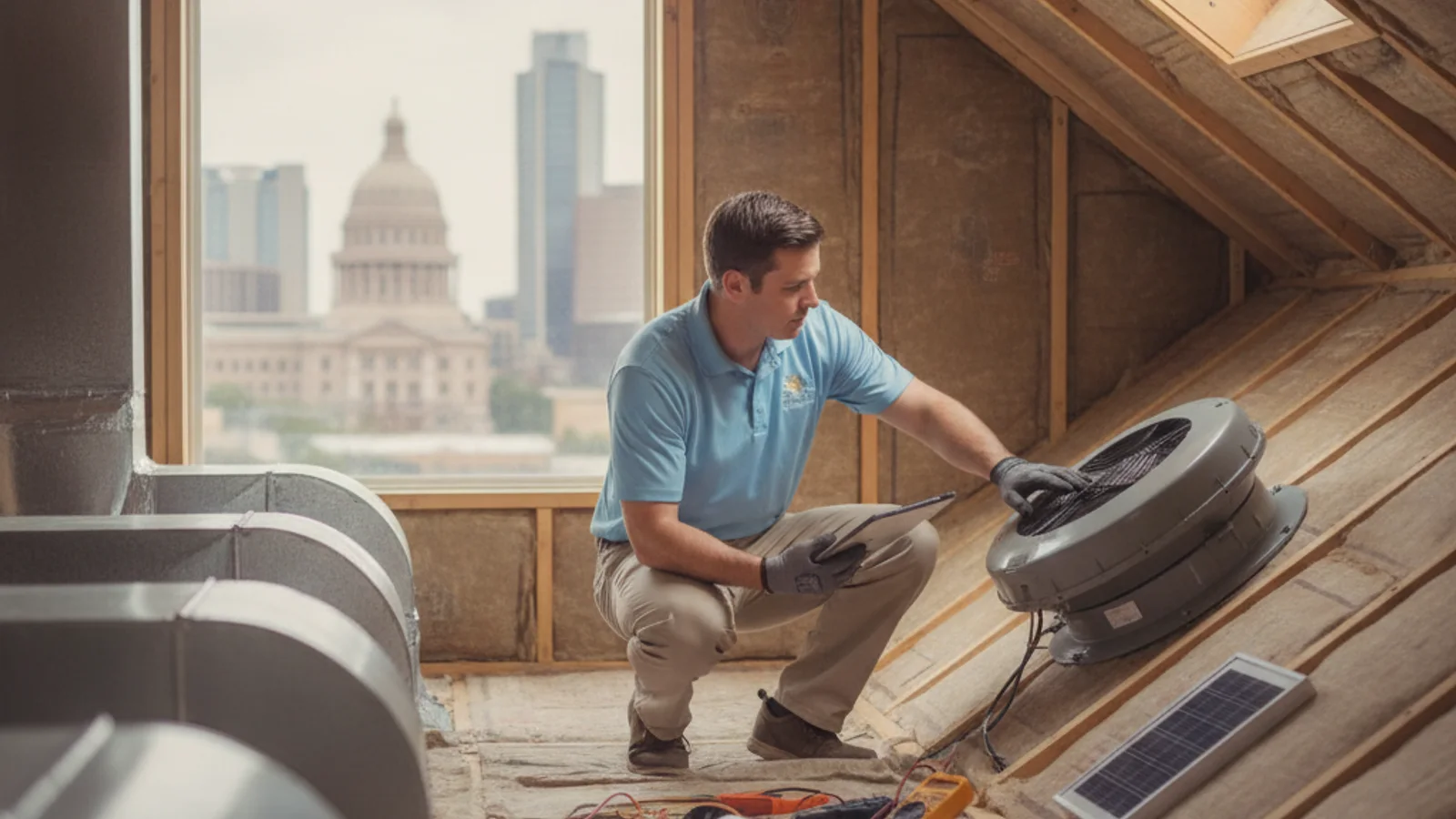
A solar attic fan that stopped spinning is usually a motor or panel problem. Here's how to tell what's wrong and whether repair or replacement makes sense.
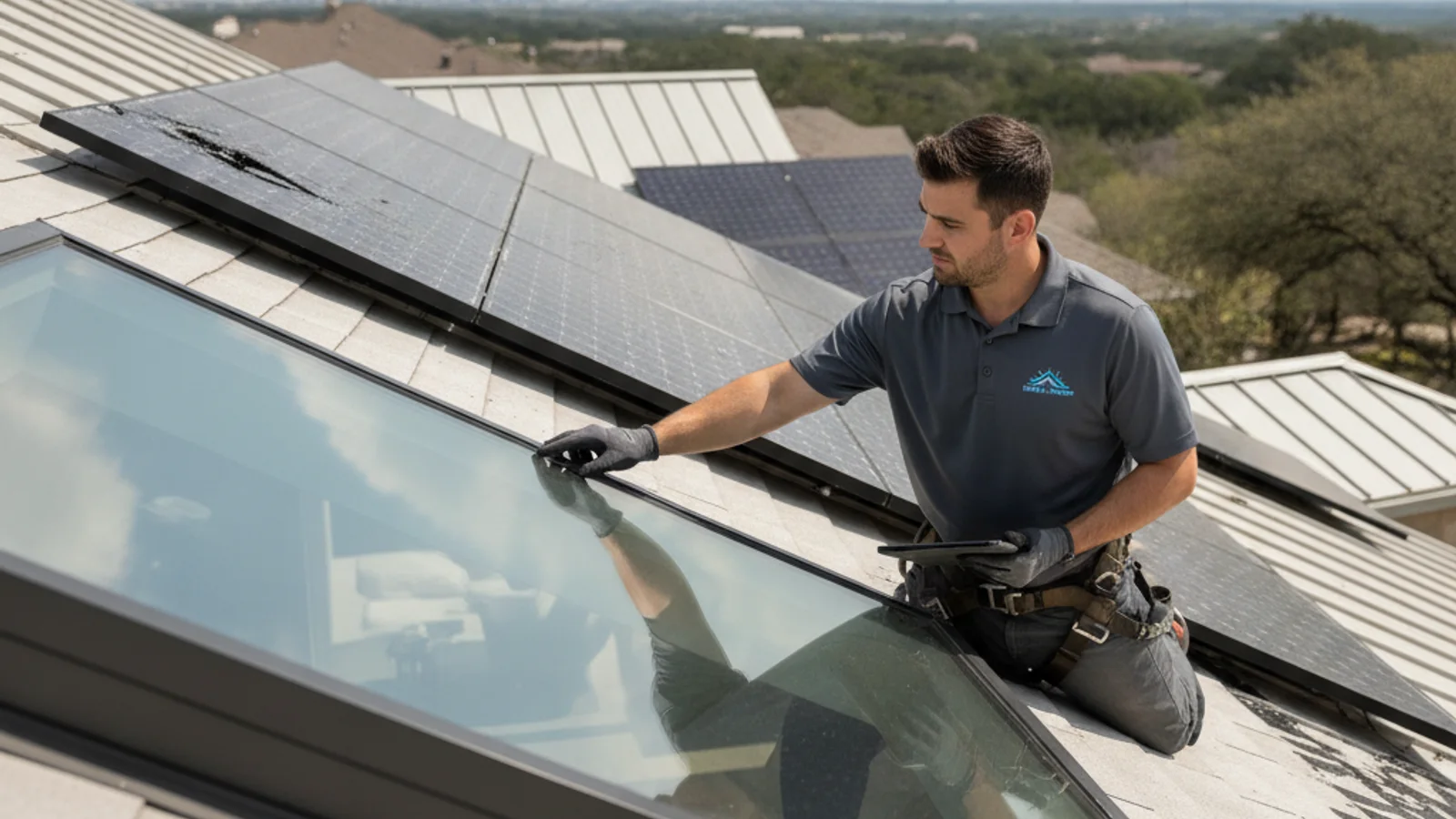
Hail cracks skylight glass and dents shingles in different ways. Here's what to inspect after an Austin storm and why skylight damage gets missed most.
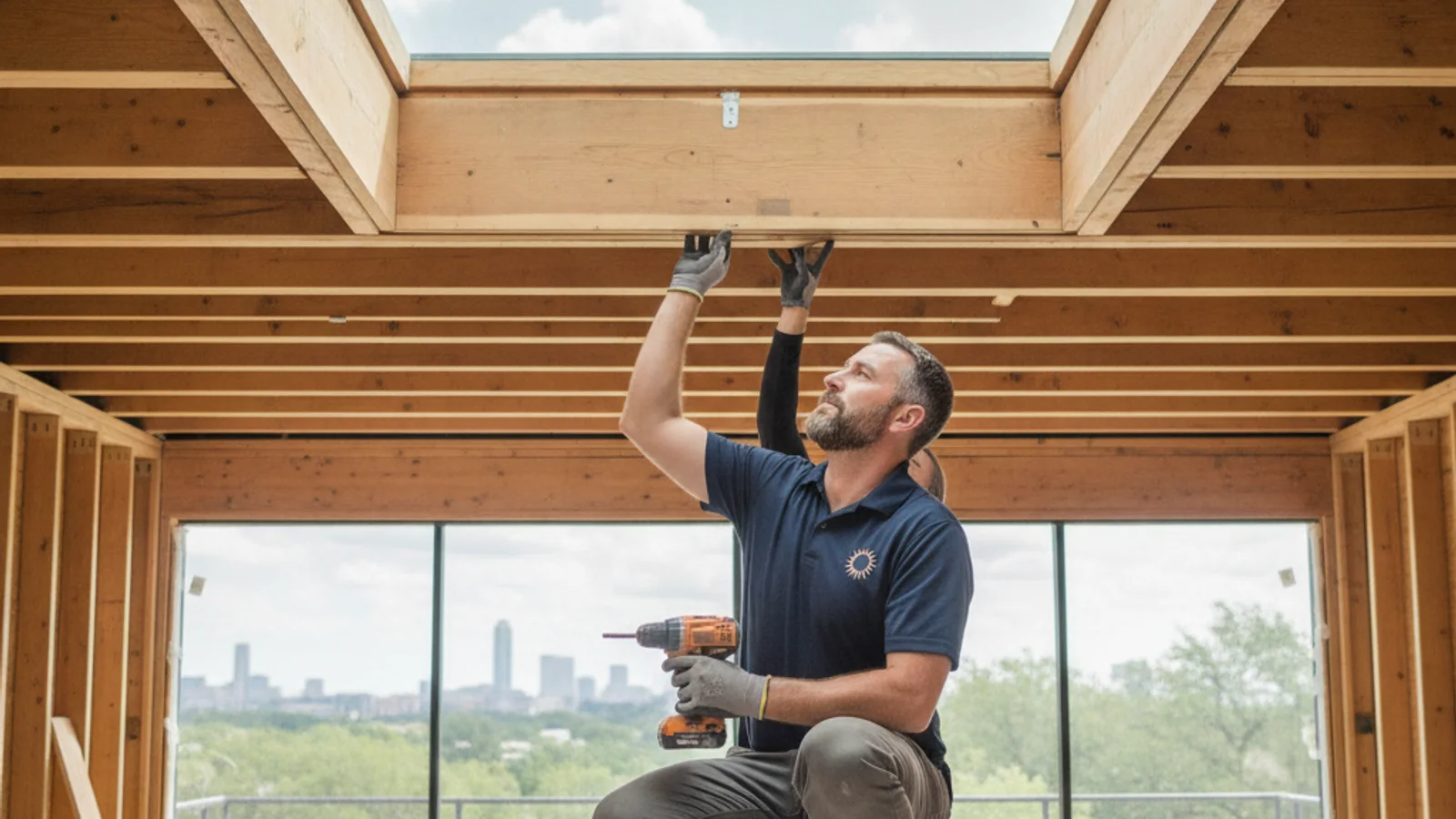
A standard skylight install usually takes a day and a solar tube just hours. Here's what actually extends the timeline and how to plan around Austin weather.
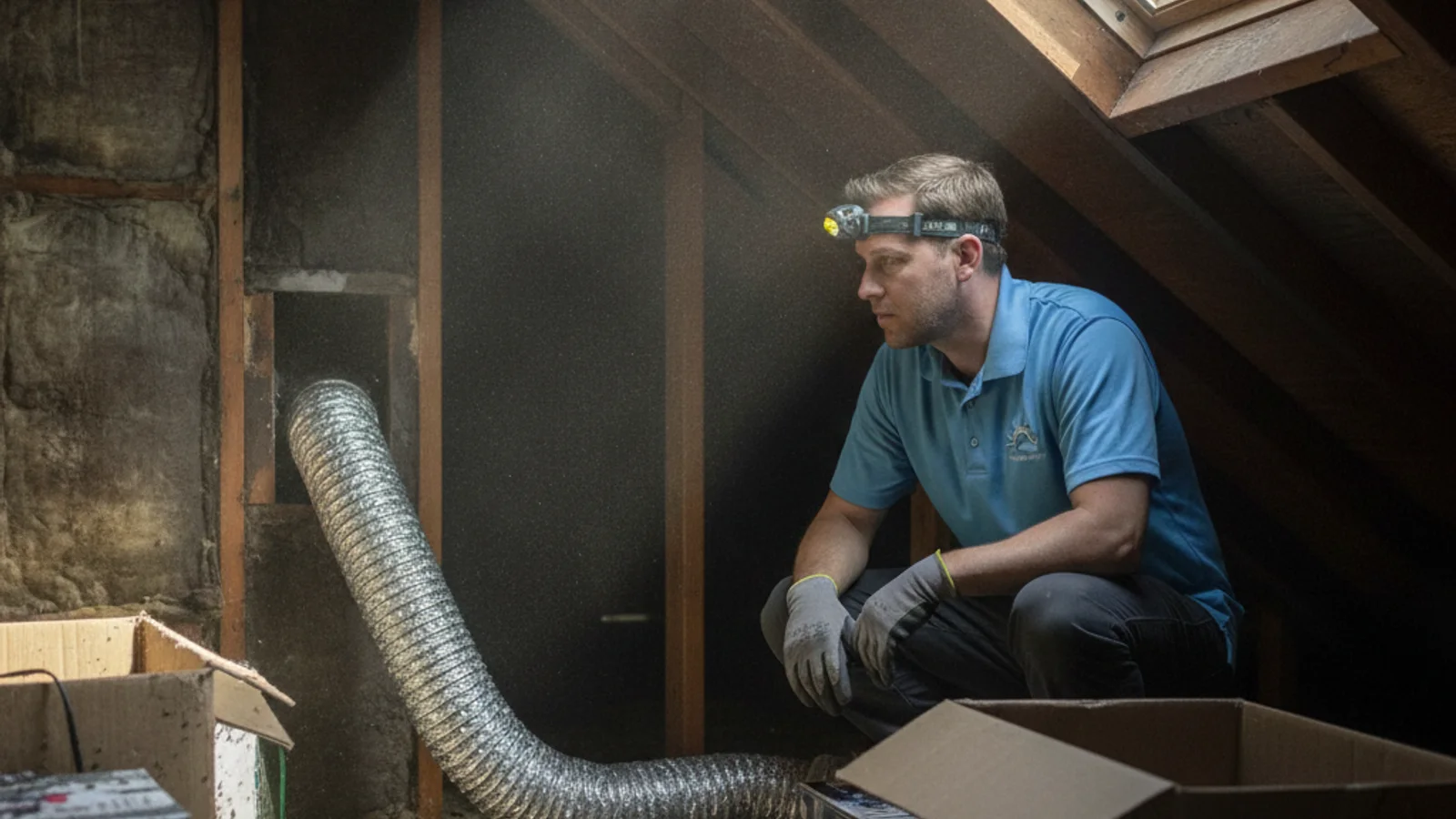
A bathroom fan that dumps moisture into the attic instead of outside is a separate problem a skylight or solar tube won't fix. Here's what to check and why.
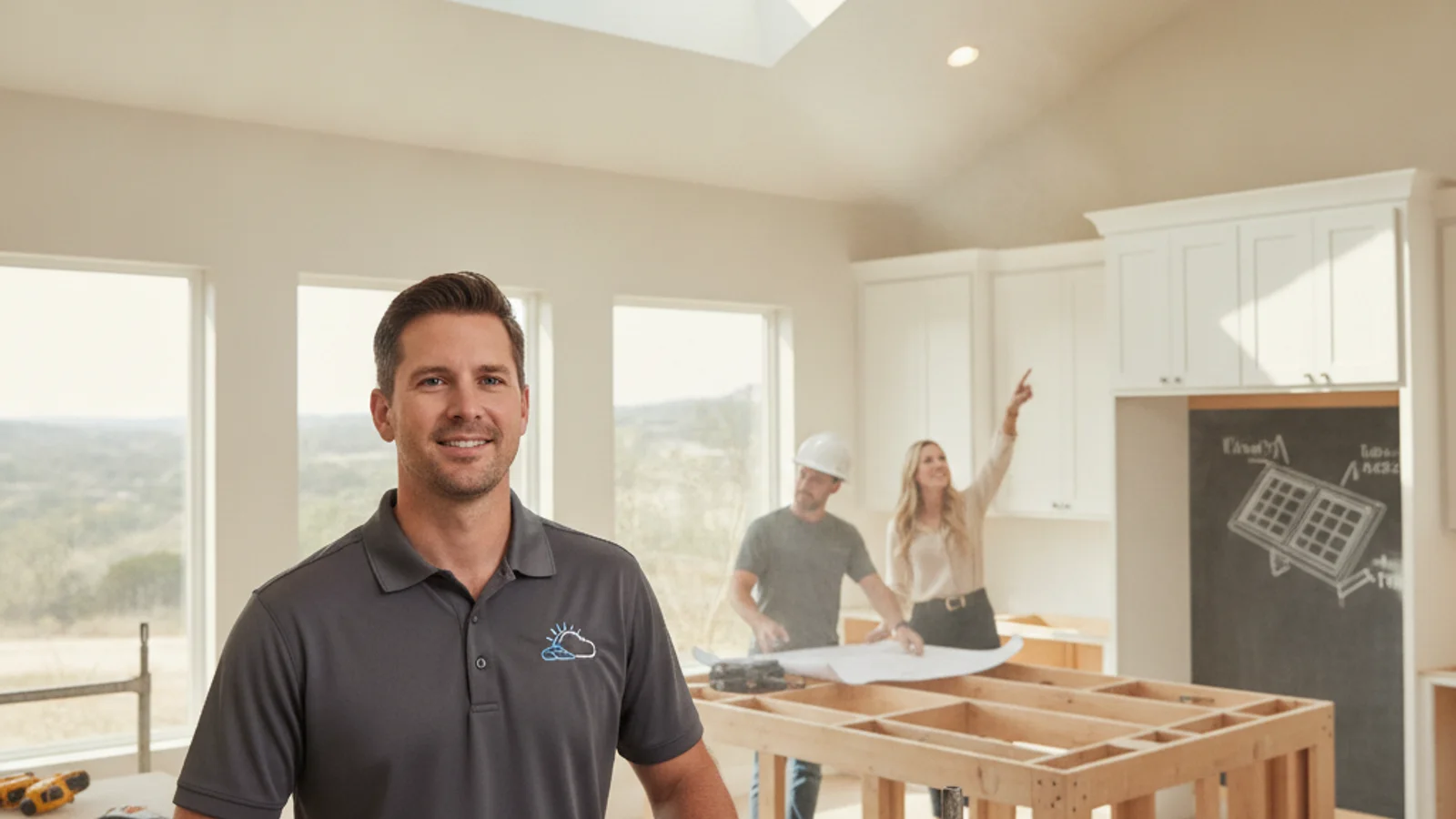
The best time to add a skylight or solar tube is early in the remodel plan, not after the ceiling's finished. Here's how to sequence it with your GC.
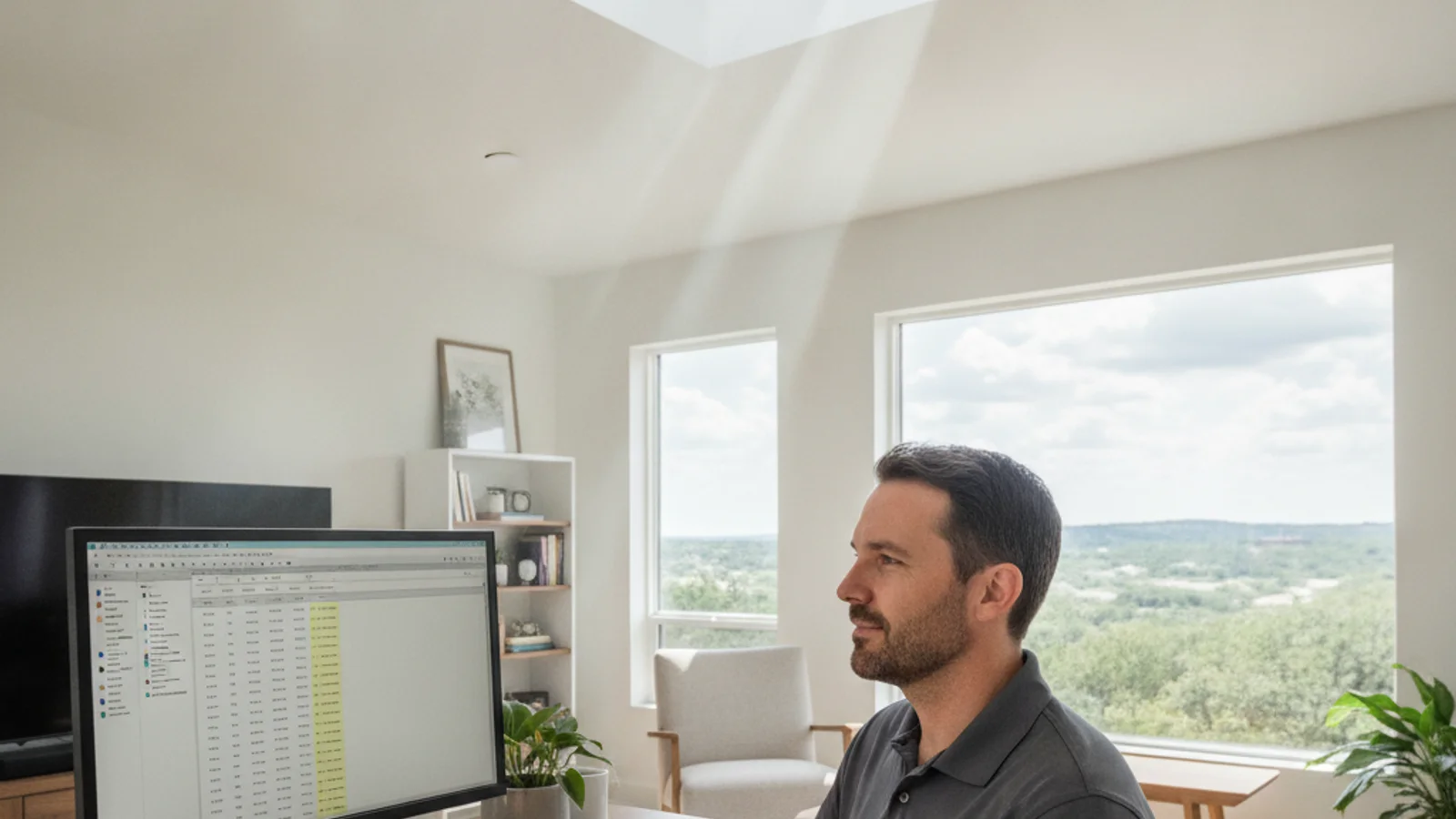
A skylight can genuinely improve a home office, but placement and shading decide whether it adds daylight or just washes out your monitor and your webcam.

Outside Austin's city limits, permitting authority depends on the exact address, not the neighborhood name. Here's how ETJ, county, and suburb permitting sorts out.

SHGC and U-factor are the two numbers that decide how much heat a skylight lets into your home. Here's what they mean and Austin's actual code minimums.
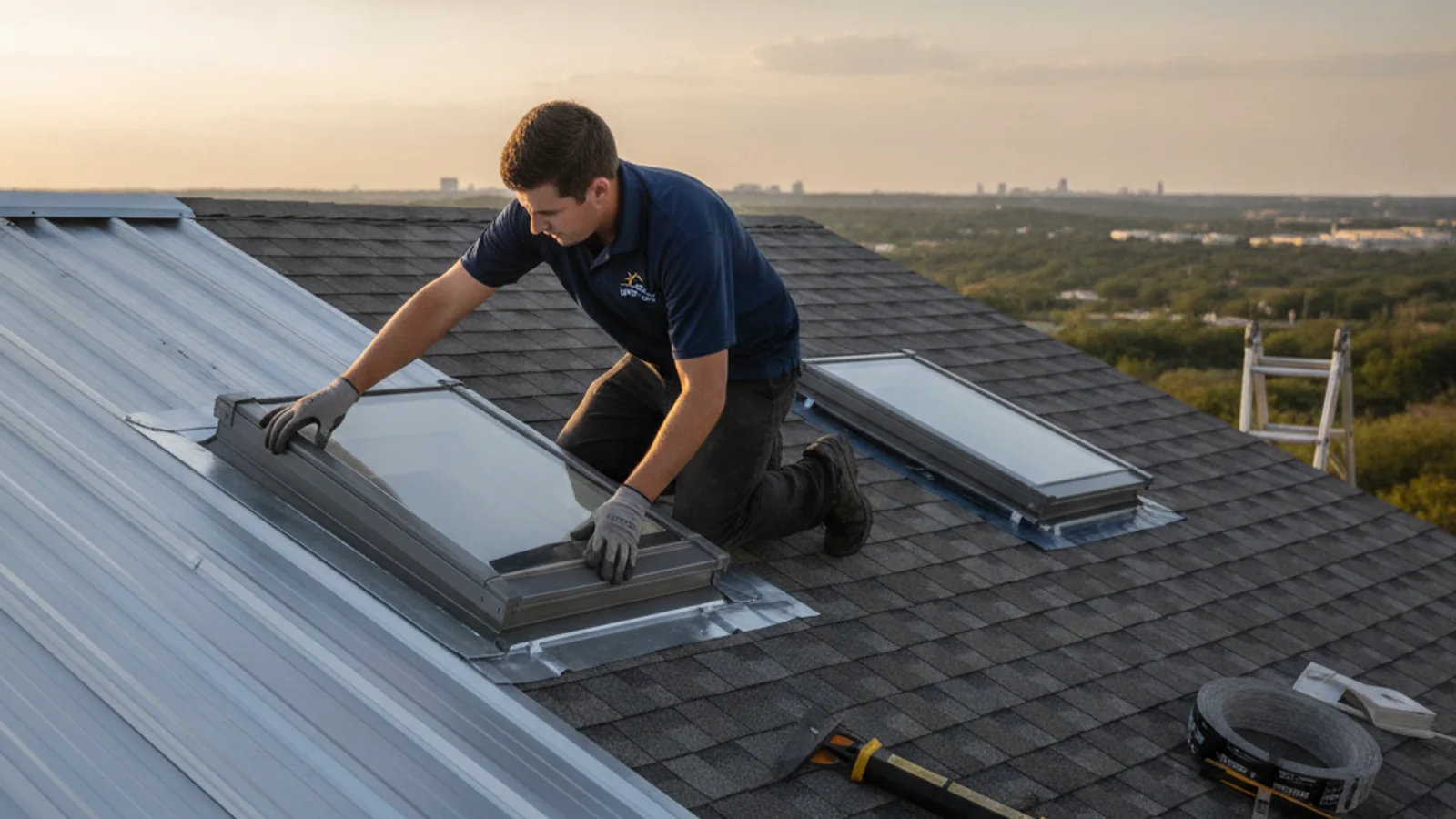
Step flashing on shingles and seam-integrated flashing on standing-seam metal are not interchangeable methods. Here's how each works and why it matters in Austin.

A fixed skylight only lets in light. A vented one lets hot air and moisture out too. Here's how to pick the right one for each room in your Austin home.
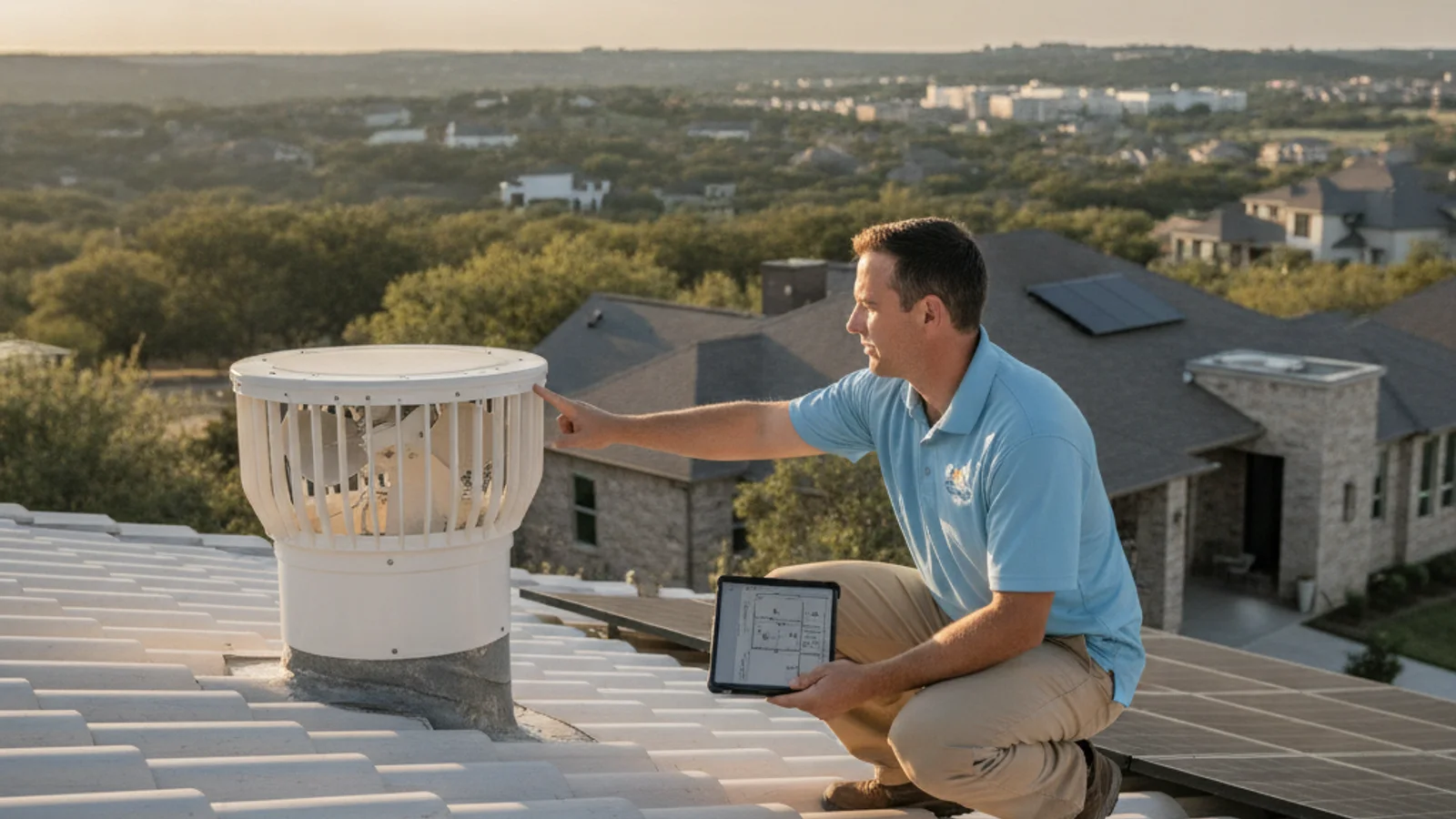
An undersized solar attic fan barely moves the needle. Here's the plain-English sizing logic based on attic square footage, roof pitch, and airflow.

A whole house fan isn't a replacement for AC in an Austin summer. Here's when it genuinely helps, when it doesn't, and how the two work together.
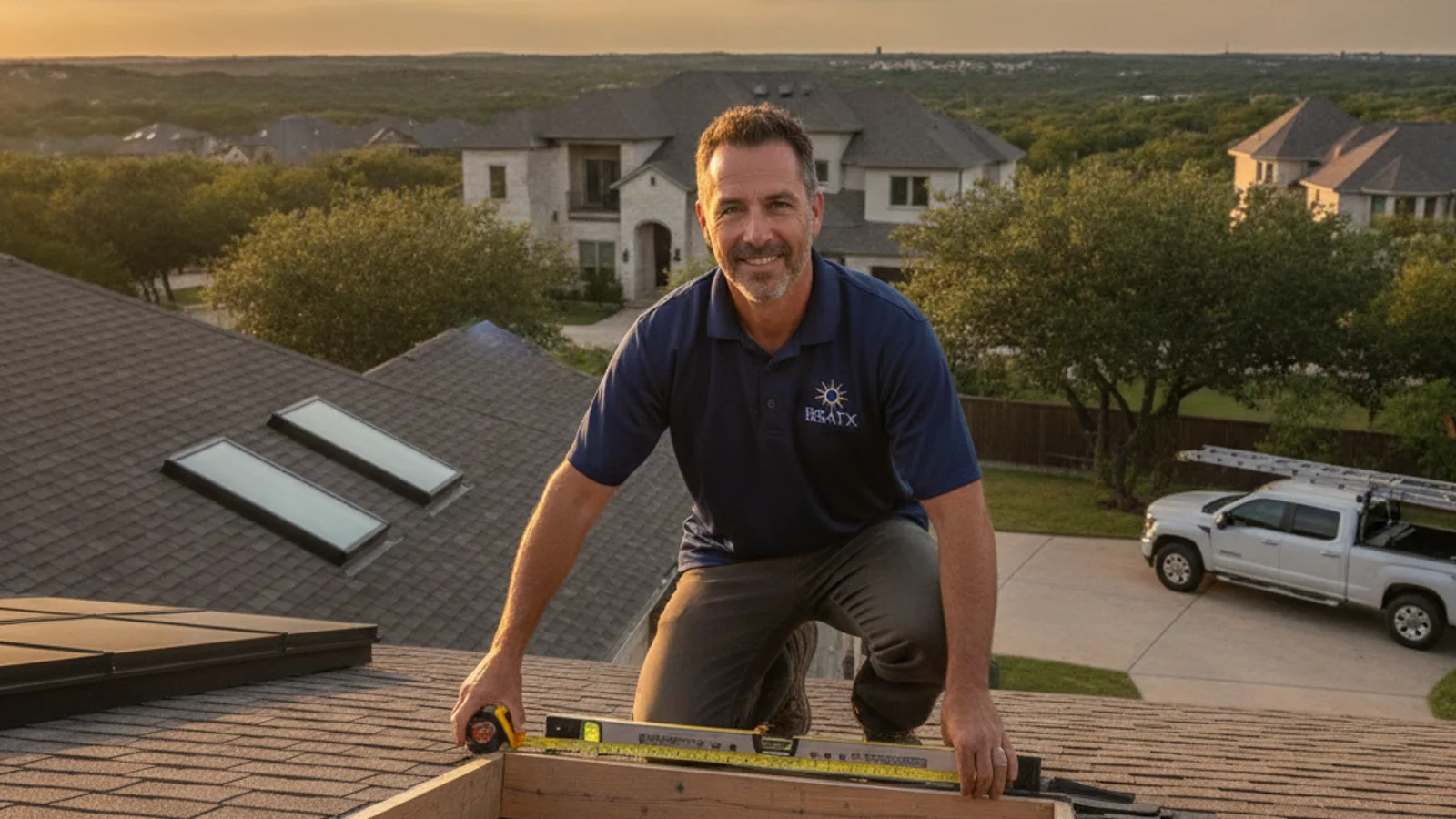
Both Circle C Ranch and Steiner Ranch require architectural approval for a skylight or solar tube. Here's how the process actually works in each community.
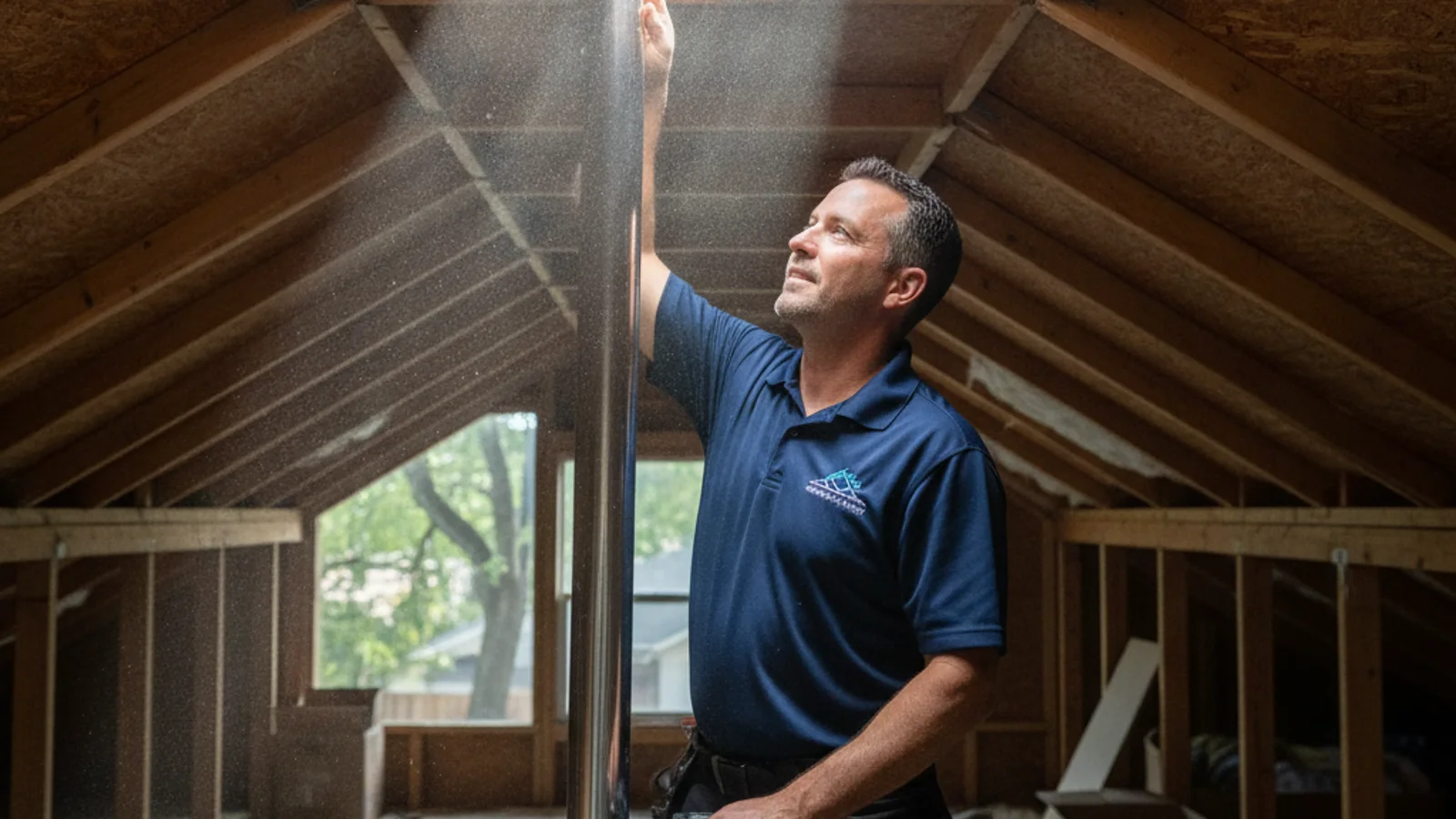
Hyde Park and Allandale bungalows have large, underutilized attic space and low-pitched roofs, close to ideal territory for a short, simple solar tube run.
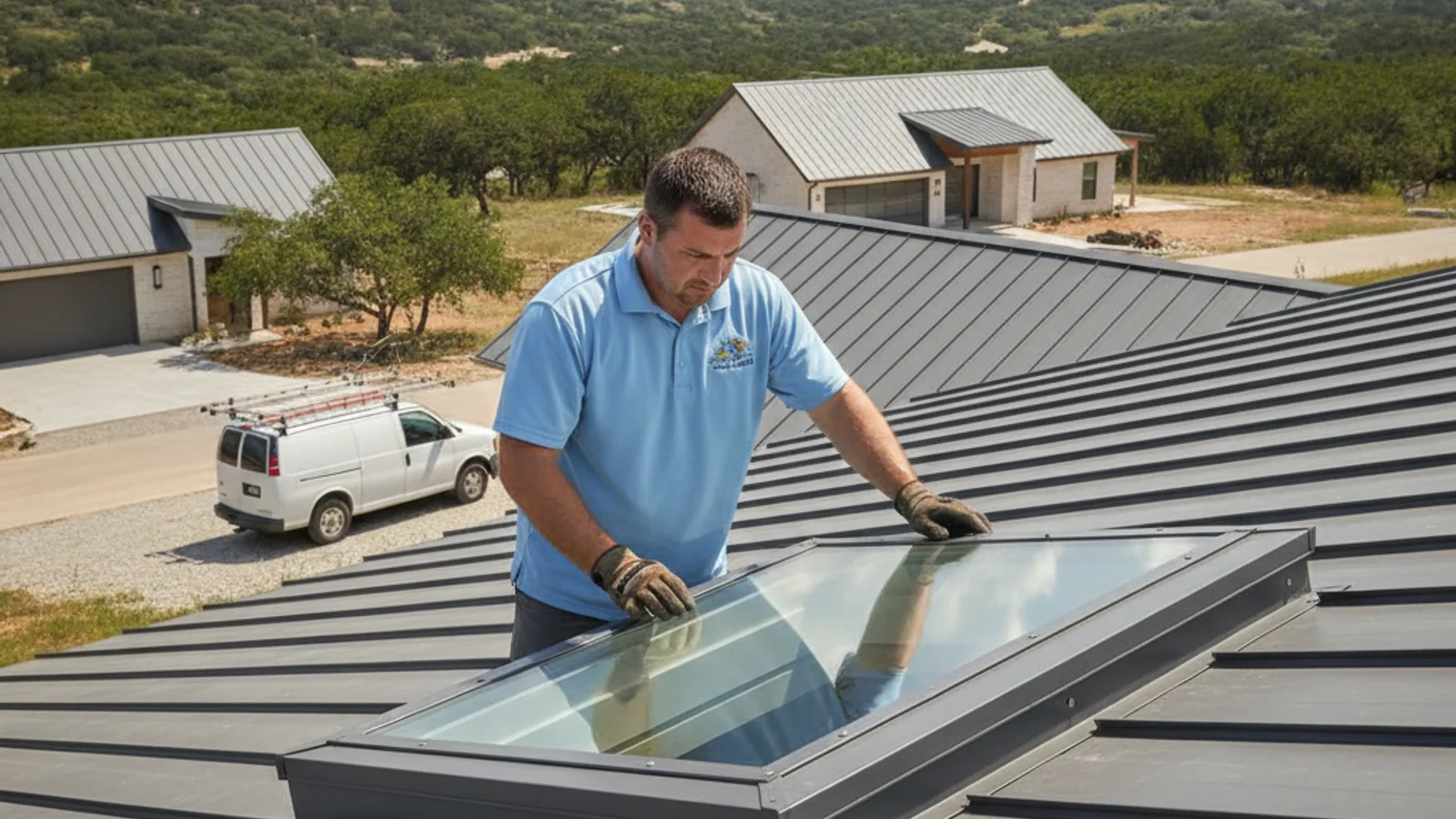
Skylights install on Hill Country metal roofs the same way they do anywhere, but steep pitch, remote acreage, and jurisdiction questions change the project.
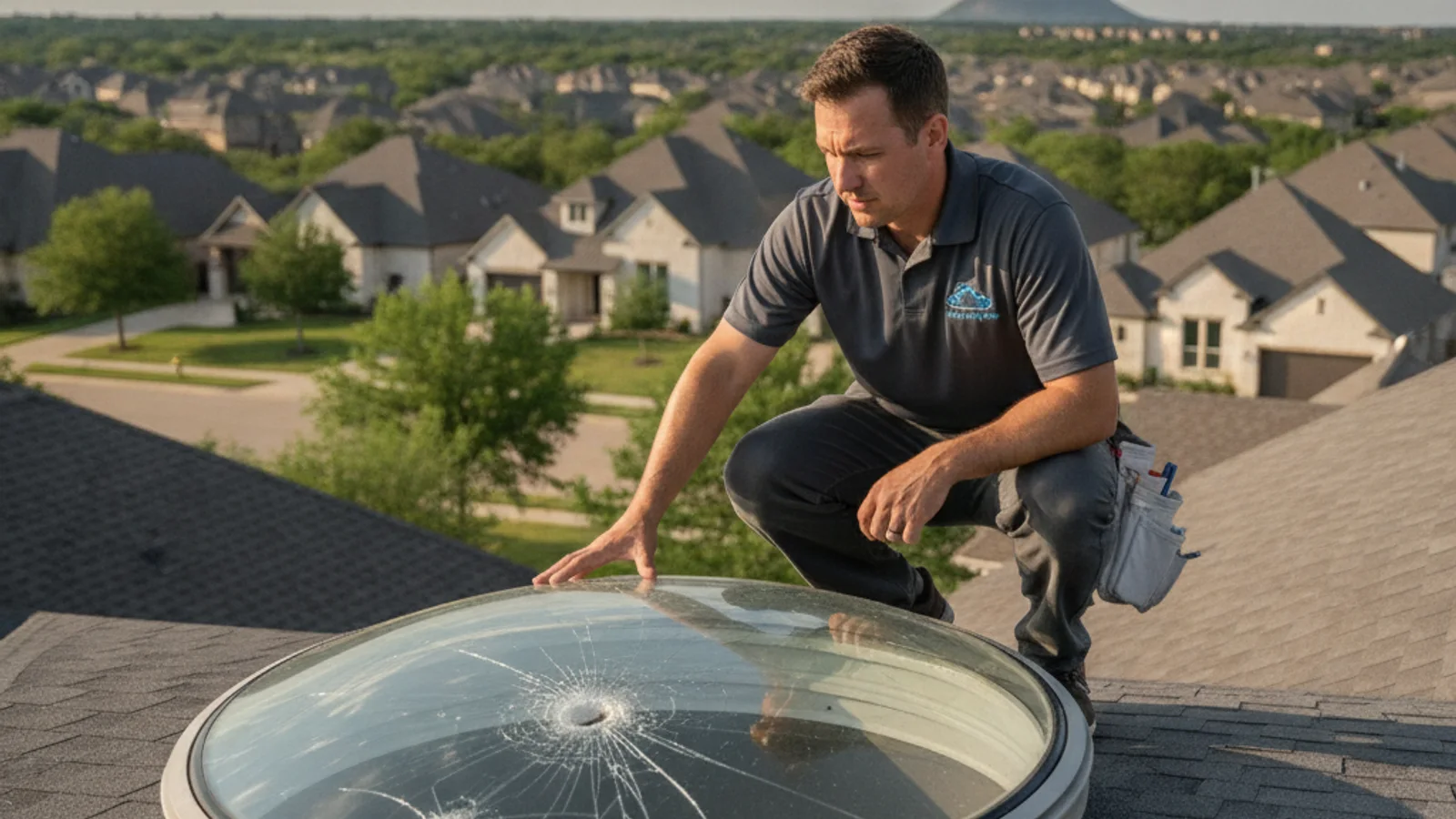
Round Rock sits directly on the I-35 hail-alley corridor. Here's what that storm history means for how skylights and solar tubes get installed there.

A skylight or solar tube quote visit typically covers an attic inspection, a roof assessment, product options, and a written estimate. Here's the walkthrough.
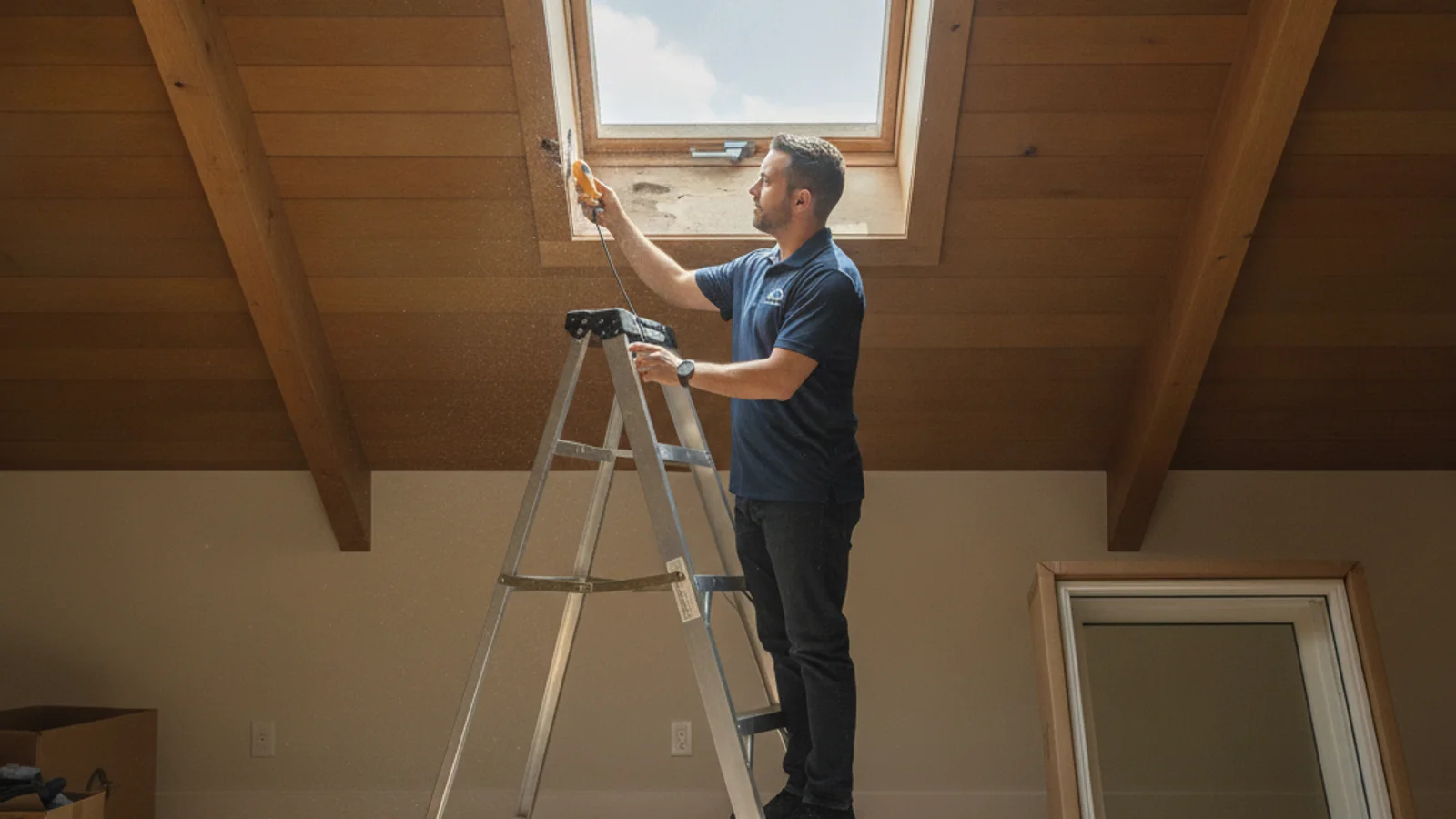
Repair makes sense when the problem is isolated and the frame is sound. Replacement makes sense when repeated repairs are just delaying the same outcome.
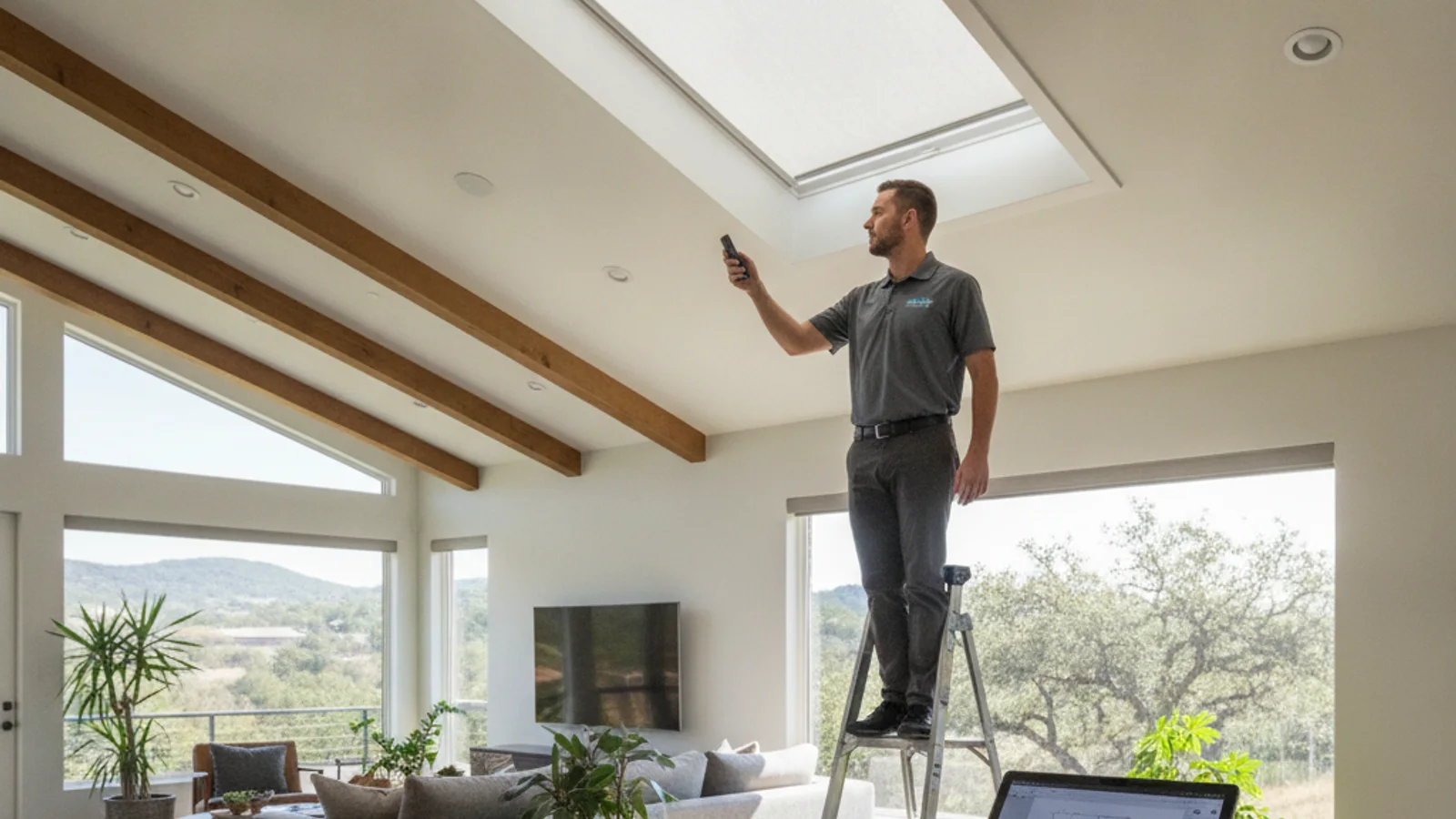
Manual skylight blinds cost less upfront than motorized ones. Here's what actually moves the total: control type, fabric, unit count, and retrofit timing.
Call us. You reach us directly, not a call center.