FAQ hub

Austin skylight FAQ: 18 questions, straight answers

Everything Austin-area homeowners ask about skylight cost, leaks, solar tubes, heat, and permits.

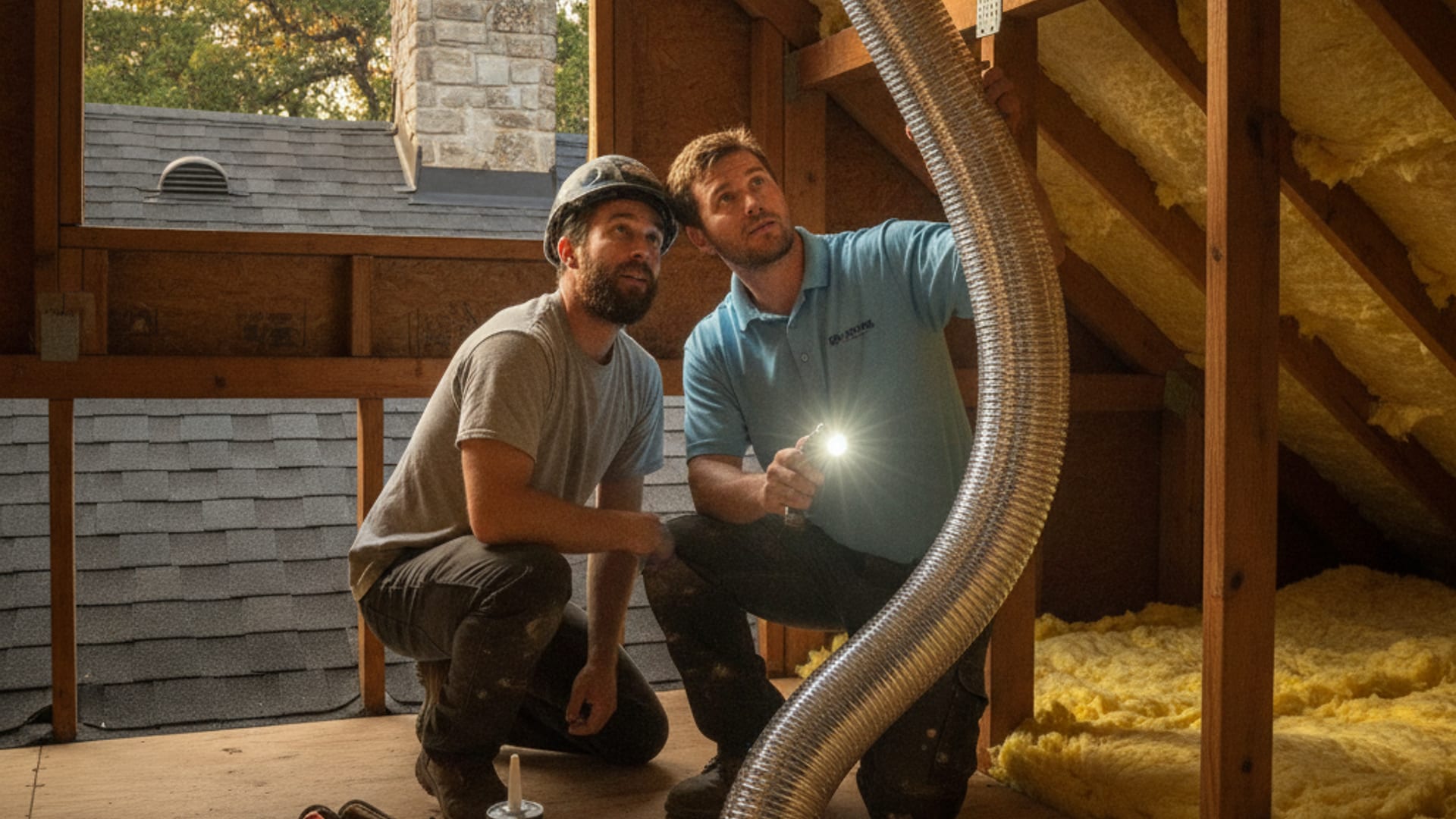
Homeowner and crew member looking up at a newly installed skylight from inside an Austin home

18 answers covering skylight cost, leak repair, solar tubes and sun tunnels, heat and energy, and permits across the Austin metro.

Cost & planning

4 questions

How much does a skylight cost installed in Austin?

It depends on the product, the roof type, attic access, and glazing choice, so an honest number only comes after a crew sees the roof in person. A solar tube in an easily accessible attic is a simpler job than a custom skylight cut into a steep or historic roofline. Simple retrofit units generally cost less than curb-mounted skylights with a built-out light shaft.

Is a solar tube cheaper than a full skylight?

Usually, yes. A solar tube uses a small reflective tube instead of a full framed light shaft, so it requires less structural work and less time on the roof. It is a strong option for a hallway, closet, or bathroom that just needs daylight, not a view of the sky. A full skylight still makes more sense over a kitchen or living space.

What time of year is best to schedule skylight work?

Spring and fall tend to book up fastest because the weather is mild and roof work is comfortable. Summer is workable but crews plan around Austin's afternoon heat and the higher chance of a hailstorm interrupting a job. Whatever the season, a crew checks the forecast before opening up a roof.

Does the type of roof I have change the price?

Yes. Composition shingle is the most common and usually the most straightforward to flash around a new skylight. Standing-seam metal, tile, and low-slope flat roofs each need a different approach, and that changes both labor time and the hardware required. A crew will confirm compatibility during the estimate.

Back to topics

Repair & leaks

4 questions

What causes most skylight leaks?

Most leaks trace back to failed flashing or cracked sealant around the frame, not the glazing itself. Flashing wears out over time, especially after repeated hail impacts or years of Texas sun. Condensation is sometimes mistaken for a leak, so a crew checks both possibilities before opening anything up.

How do I know if my skylight is leaking versus just condensating?

Condensation usually shows up as fog or beads on the inside of the glass that clear once the room warms up or airflow improves. A real leak leaves a water stain that spreads on the ceiling or drywall around the unit, often after a hard rain, and it does not clear on its own. If you are not sure, a local crew can inspect it and tell you which one you are dealing with.

Can a skylight leak be repaired, or does the whole unit need replacing?

Many leaks are a flashing or sealant repair, not a full replacement, especially on a unit under 10 to 15 years old. If the glazing itself has failed, seals have blown, or the frame has deteriorated, replacement is usually the better long-term fix. A crew will tell you honestly which repair actually solves the problem.

Does hail damage show up right away or later as a leak?

Sometimes both. A hard hail hit can crack glazing or dent flashing immediately, but a hairline crack or bent flashing edge can take weeks or months to turn into a visible leak after enough rain gets behind it. That is part of why a post-storm roof and skylight inspection is worth doing even if nothing looks obviously wrong.

Back to topics

Solar tubes & daylighting

3 questions

How does a solar tube actually work?

A solar tube uses a clear dome on the roof to capture daylight, then channels it down a reflective tube through the attic into a diffuser mounted on the ceiling below. There is no rewiring and no roof-to-room framed shaft, which is why installation is usually faster than a full skylight. It works well anywhere a hallway, closet, laundry room, or bathroom never sees natural light.

Will a solar tube heat up the room in summer?

A quality solar tube with the right diffuser and glazing adds far less heat gain than a traditional skylight, since the tube itself is small and the light is diffused rather than direct. In Austin summers, that difference matters. A crew can walk you through glazing options if heat gain in a specific room is a concern.

Can a solar tube run through a two-story attic or a tight roofline?

It depends on the distance and the number of bends between the roof and the ceiling. A straight run through an accessible attic is the easiest install. Longer runs or tight roof cavities are still often possible with flexible tubing, but light output drops with distance and bends, so a crew will tell you honestly whether a given spot is a good candidate.

Back to topics

Heat & energy

3 questions

Do skylights make a house hotter in an Austin summer?

It depends on placement, glazing, and shading. A north-facing skylight or one with a low solar heat gain coefficient adds much less heat than a south-facing unit with basic glass. Attics in Austin regularly reach 120 to 150 degrees at peak summer, so glazing choice affects comfort in the room below more than people expect.

What is SHGC and why does it matter for a skylight?

Solar heat gain coefficient, or SHGC, measures how much solar heat passes through the glazing into the room. A lower number blocks more heat. Austin falls in IECC Climate Zone 2, which sets a baseline SHGC of 0.28 for residential skylights, and staying near or below that baseline matters for keeping a room comfortable in July and August.

Do skylight blinds or shades actually help with heat?

Yes, especially motorized cellular shades, which trap a layer of air and block a meaningful share of solar heat before it reaches the room. Manual shades help too, but only when someone remembers to close them during peak sun. It is a lower-cost way to manage heat and glare without changing the glazing itself.

Back to topics

Local & permits

4 questions

Does every skylight installation in the Austin metro need a permit?

In most Austin-area cities, yes. A skylight is a roof penetration with structural implications, so it typically requires a building permit regardless of the home's age or neighborhood. Requirements and review timelines vary by city, so it is worth confirming for your specific address.

Do HOA rules apply to skylights the same way they apply to solar panels?

No. Texas law protects a homeowner's right to install solar panels over an HOA's objection in many cases, but that protection does not extend to skylights or solar tubes. If your home is in an HOA-governed community, expect to go through ordinary architectural approval before work starts, whatever county you are in.

How does hail alley affect a skylight decision in Austin?

Austin sits inside a corridor of frequent significant hail that runs roughly from San Antonio through Austin to Dallas, so impact rating matters more here than in most parts of the country. Many insurers offer a premium discount for roofing and skylight glazing that meets the UL 2218 Class 4 impact standard, though the exact discount depends on your carrier.

Are there rebates or tax credits for a new skylight in Texas?

Programs change, and any specific dollar figure should come from the utility or program administrator directly rather than from us. A crew we connect you with can point you to the current programs available in your county, but the honest reason to install a skylight is daylight and comfort, not a guaranteed rebate.

Back to topics

Serving the Austin metro

Still need a real answer? Call us.

We connect you with an experienced, insured local skylight crew across the Austin metro.

Call now · (737) 477-8898 Leave your details on the line Quote